

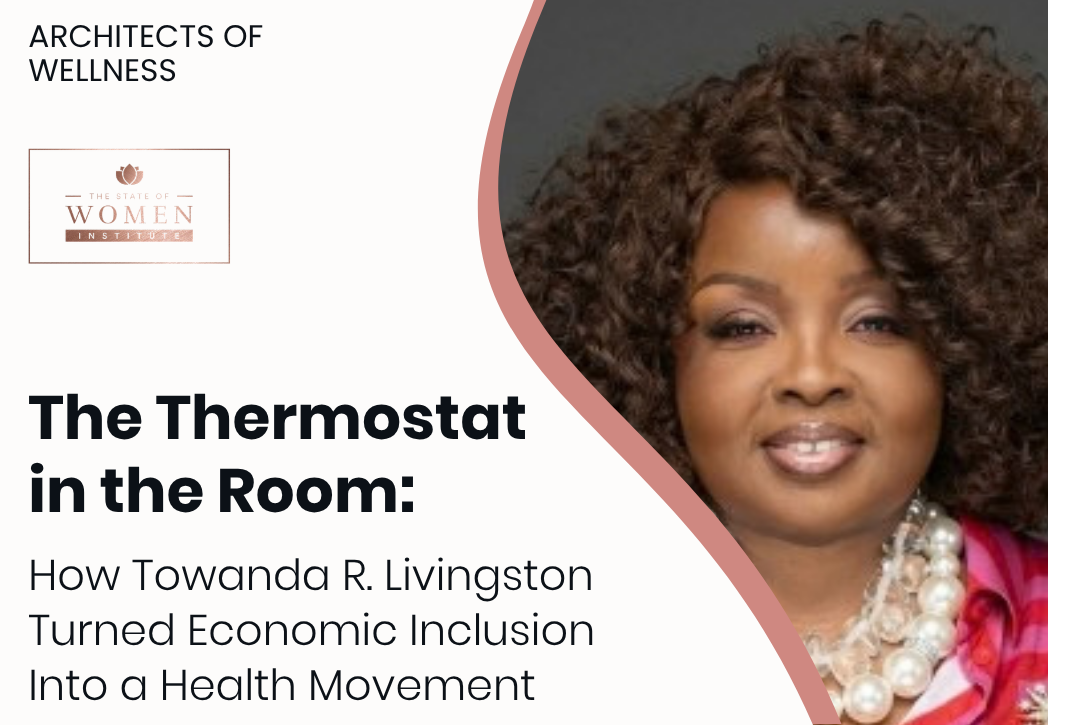
The Thermostat in the Room: How Towanda R. Livingston Turned Economic Inclusion Into a Health Movement
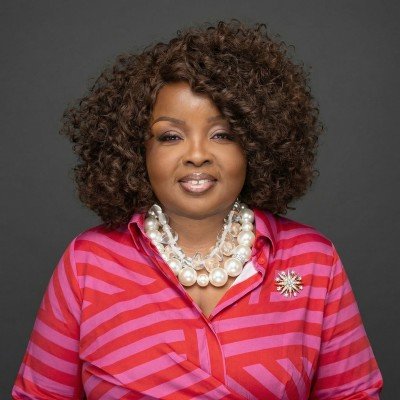
For Towanda R. Livingston, wellness is about having a choice. After more than three decades of advancing economic inclusion, she sees access to capital as a health intervention.
By Dr. Odessa Lacsina | The State of Women Institute
30+ YEARS OF ECONOMIC INCLUSION · $1+ TRILLION DIRECTED TO SMALL, LOCAL & CERTIFIED BUSINESSES · FINAL ARCHITECTS OF WELLNESS EDITION · WHH WASHINGTON, D.C. HEADLINER
She walks into a room she was never supposed to be in. Not because she wasn't invited. Because somewhere along the way, a version of her — the girl from North (“Norf”) Philadelphia, raised by a teenage mother, shadowed by a drug-addicted father, told by the world she would never be anything — that girl still lives inside her.
And every time Towanda R. Livingston picks up a microphone, steps onto a panel, or stewards hundreds of millions of dollars toward small, local and other certified businesses that the system had already written off, she is answering that girl.
She doesn't erase her. She apologizes to her. And then she walks in anyway.
This is the final installment of The State of Women Institute's Architects of Wellness series — a campaign built around a simple but radical idea: the women healing our communities don't always carry stethoscopes. Sometimes they carry spreadsheets. Sometimes they carry conviction. And sometimes, like Towanda, they carry both.
On October 7, some of the most influential leaders in women's health will convene at the National Union Building in Washington, D.C., for the Women's Health Horizons Summit — a gathering of investors, innovators, clinicians and policymakers who have come to answer one urgent question: How do we turn women's health ambition into system-wide progress?
The State of Women Institute will be there. And we are bringing this story with us.
Because if you want to understand what it actually takes to move the needle on women's health — not just in hospitals and research centers, but in communities, households and the economic foundations that hold them together — you need to understand what Towanda Livingston has spent 30 years building.
The Ministry of Economic Inclusion
The title on Towanda's business card at Constellation Energy — one of the nation's largest clean energy producers and the world's largest power producer — reads Director of Supplier Development and Engagement. But the title she gave herself is the one that tells the real story.
Economic Inclusion Evangelist.
“This didn't come overnight,” she told me when we sat down for this conversation. “As I grew into becoming a kingdom woman, a kingdom entrepreneur focused on building the kingdom, I recognized that folks' ministry comes in different forms. Supplier diversity, responsible sourcing, the EEOC, diversity and inclusion, environmental justice — that initially became my stage in the late 1980s and early 1990s.”
Over the course of a career that has moved from government to the public sector to private enterprise to owning her own economic inclusion consulting firm, Towanda has built, transformed and scaled programs that redirect capital toward the people who need it most.
Thus far in her career, Towanda has driven more than a trillion dollars — and still counting — to small, local and other certified businesses.
Over a trillion dollars purchased with small, local and other certified businesses.
Read that again. Not as a budget line. As a health intervention.
Towanda is also an author. Her book, Grit, Grind and Grace: Activate It!, is exactly what the title promises — a manual for women who are tired of waiting for permission and ready to move. It sits on shelves not as inspirational platitudes but as a practical tool, written by a woman who has lived every word of it.
When she told me during our interview that she was still the poor girl from North Philly, she meant it. And she wrote the book anyway.
“Helping people who can't afford to dream — afford to dream. And making those dreams become possible.”
Because that is exactly what it is.
Every dollar directed to a woman-owned business in an underserved community is a prescription. It is prenatal care that gets scheduled. It is fresh food that appears where a desert existed. It is a mother who can take a day off when she is sick. It is a daughter who sees a model of what is possible.
Towanda understood this long before the research caught up.
“Wellness to me is equivalent to wealth. Not because wealth is money — but because wealth gives you a choice. And wellness is being able to make decisions on abundance and not scarcity.”
The Business Case for Caring
One of the questions I asked Towanda was one I hear constantly in health equity work: How do you get corporate leaders to move beyond the checkbox? How do you take inclusion from a line item in an annual report to something that is genuinely woven into an organization's DNA?
Her answer was neither idealistic nor cynical. It was both practical and profound.
“People are going to move by the carrot or the whip,” she said plainly. “Either you hire leaders who are incentivized to not only do things right but do the right thing when no one is watching — or you hire folks that are going to have you out of business shortly because they'll be unethical.”
But she didn't stop there. She went further.
“Once a corporation sees itself as part of the community — that's when the investments come. I'm going to draw my employees from here. I'm going to have a physical building there. So how do we get them to care? You have to quantify it. Then you humanize those numbers through storytelling.”
“Care comes with a price tag. The feel-good is the donation. The care comes when you provide the donation, the education, the training — and make sure that asset continues to bring value to them.”
This distinction matters enormously — and I know it because I have seen the alternative.
Years ago, as an NIH Fogarty International Fellow, I traveled to Kenya to work in a community hospital. The facility received donated medical equipment from well-meaning organizations. Cutting-edge machines sat in a small rural lab. And when I asked the staff how one particular machine worked, they told me the truth: They didn't know.
They had run out of the reagent needed to calibrate it. But they kept running tests anyway, because they didn't want to tell the patients who had waited for hours that the machine wasn't reliable.
They were giving people numbers on a piece of paper that meant nothing.
That is the feel-good without the care. That is the donation without the infrastructure. And in both healthcare and economic inclusion, it is what Towanda has spent her career refusing to do.
“If I'm going to give you this equipment,” she said, “before I leave, I'm going to train you. I'm going to train the trainer. We're going to set up a supply chain so you always have what you need. That's care. That's the difference between a moment and a movement.”
The Poor Girl From North Philly
I asked Towanda when she last felt like the most uncomfortable person in the room.
She didn't hesitate.
“In my subconscious mind, I'm still that poor girl from North Philly. Born to a single mom and drug-addicted biological father. Folks who told you that you will never be nothing. That you're only good for having babies.”
She paused.
“I'm still her. And I apologize to her often — because I let the labels other people put a limit on me and handcuffed God's possibilities in my life.”
She described sitting at a Juneteenth wealth conference this past summer, surrounded by people and resources and power, and still feeling that girl surface. The one who wasn't supposed to be there.
But here is what Towanda does with that feeling. She doesn't suppress it. She prays into it.
“Before I take a mic, before I say a word, God and I have a self-talk. I say, let your message come out of my mouth. Not what I want to say — but what somebody in there needs to hear. And then I walk into that room worthy. Because He has crowned me worthy.”
“Instead of being a thermometer — going up and down with the atmospheric temperature — you're going to be the thermostat. Because you're going to change the energy in the room.”
This is the woman who will take the main stage in Washington on October 7.
Not as a panelist filling a diversity slot, but as a valued voice with the power, expertise and lived perspective to inspire change, challenge thinking and create lasting impact.
Not as a footnote to someone else's agenda. As a headliner. As the argument that the WHH summit has been building toward: You cannot transform women's health without transforming women's economic reality.
If Washington is serious about that conversation, Towanda R. Livingston is bringing one of the clearest lived perspectives on what that connection looks like.
She is not showing up to perform wellness or check a diversity box. Not simply accepting a seat at a table to take up space.
She is showing up to challenge what is, shape what comes next and turn access into action — opening doors, creating opportunity and driving meaningful, lasting impact.
She is walking in because her mentors, network, people who poured into her, supporters and life helped build her into someone who changes the temperature of every room she enters.
The Woman Who Spoke Life
I asked Towanda about a woman she has admired from a distance — someone who shaped her without fully knowing it.
She named Jackie Lopez, founder and CEO of Premier Enterprise Solutions.
“I believe in speaking people's names in rooms they've never entered,” Towanda said. “Because it gives others access to them.”
She met Jackie around 2008 or 2009 at a Women Business Owners Expo in Maryland. Towanda was the organizer. Jackie was the MC. And in the middle of everything — the events, the panels, the networking — Jackie walked up to a woman she had never met and began speaking life into her.
Towanda was being attacked at the time. Spiritually. Physically. Emotionally. Mentally.
She was losing confidence even as the work around her was creating massive impact.
After the event, Jackie sent her a book with a handwritten message inside that shut down every doubt. Every imposter thought. Every version of the North Philly girl who wasn't supposed to be there.
“She walks into rooms like she owns them,” Towanda told me, her voice shifting into something close to reverence. “And by the time she leaves, she owns them. She is a force that multiplies. Never divides. Only multiplies.”
She paused, then smiled.
“I tell her: when I grow up, I want to be just like you.”
Jackie Lopez. A name being spoken into this room, this article, this stage — by a woman who knows firsthand what a single act of generosity can unlock in another woman's life.
Where Economics and Health Equity Meet
The Women's Health Horizons Summit in Washington will convene this city's most powerful voices in health innovation, investment, research and policy. They will discuss funding gaps and research deserts and clinical trials. They will debate AI bias and access and what equitable care actually means.
All of that matters. All of it is necessary.
But what Towanda's story demands we also say — loudly, in that room, on that policy stage — is this:
You cannot close the women's health gap without closing the women's economic gap. They are not parallel problems. They are the same wound.
At The State of Women Institute, we organize our work around three pillars: Mental Health and Wellness, Maternal Health Equity and Preventive Wellness. And for years we have known — through research, through community listening, through our own lived experience — that none of these pillars stand without an economic foundation beneath them.
Mental Health and Wellness
Economic exclusion is a mental health crisis.
The psychological toll of being locked out of capital, of being told your dreams are too expensive, of surviving poverty while watching wealth accumulate in other ZIP codes — this is trauma.
Towanda's work redirecting hundreds of millions of dollars toward underserved communities is mental health intervention.
Maternal Health Equity
The communities with the highest maternal mortality rates are not random. They are the communities where economic disinvestment has been deliberate and sustained. Where hospitals have closed. Where there are food deserts. Where women work two jobs and still can't afford prenatal care.
Every dollar Towanda directs toward a woman-owned business in one of these communities is a maternal health investment for that woman, her business and employees, her family, and our collective communities overall.
Preventive Wellness
Prevention requires choice. Choice requires resources. Resources require economic inclusion.
A woman who cannot afford to miss work cannot make her screening appointment. A community without a grocery store cannot eat preventively. A neighborhood without capital cannot maintain its own health infrastructure.
Towanda's work is upstream prevention that no clinical intervention can replicate.
“Broken women marry broken men who have broken children that form broken communities. Each individual has to play a role — because wellness is participatory.”
She said this quietly. Almost like she was stating the obvious.
To her, it is.
By Inspiration or Desperation
At the end of our conversation, I asked Towanda for a quote. Something that tied her up in a nice little bow. Something she returns to when she needs to find herself again.
She didn't reach for someone else's words.
She gave me her own.
“Either by inspiration or desperation — you will be pushed into your purpose.”
She called it a Towandaism.
I call it a diagnosis. And a prescription. And a prophecy all at once.
Because whether it was the poverty she was born into or the wealth conferences she now walks into as a force of nature — every moment pushed Towanda R. Livingston toward exactly where she was supposed to be.
On October 7, she will be in Washington, D.C., in a room full of people who fund and build and regulate and deliver the next era of women's health.
And she will walk in — as she always does — not as a guest.
As a thermostat.
The temperature in that room is about to change.
About This Series
Architects of Wellness is The State of Women Institute's flagship editorial series profiling women whose work heals communities in ways that defy traditional definitions of health. This is the series' final edition.
The State of Women Institute is excited to be at the Women's Health Horizons Washington, D.C. Summit on October 7, at the National Union Building, 918 F St NW, Washington, D.C.
At The State of Women Institute, we focus on the issues that shape women’s health and well-being every day — from mental health and wellness to maternal health equity and preventive wellness. Through research, innovation and community engagement, we work to help create healthier, more equitable communities for women around the world.
The State of Women Institute · thestateofwomen.org · @thestateofwomen
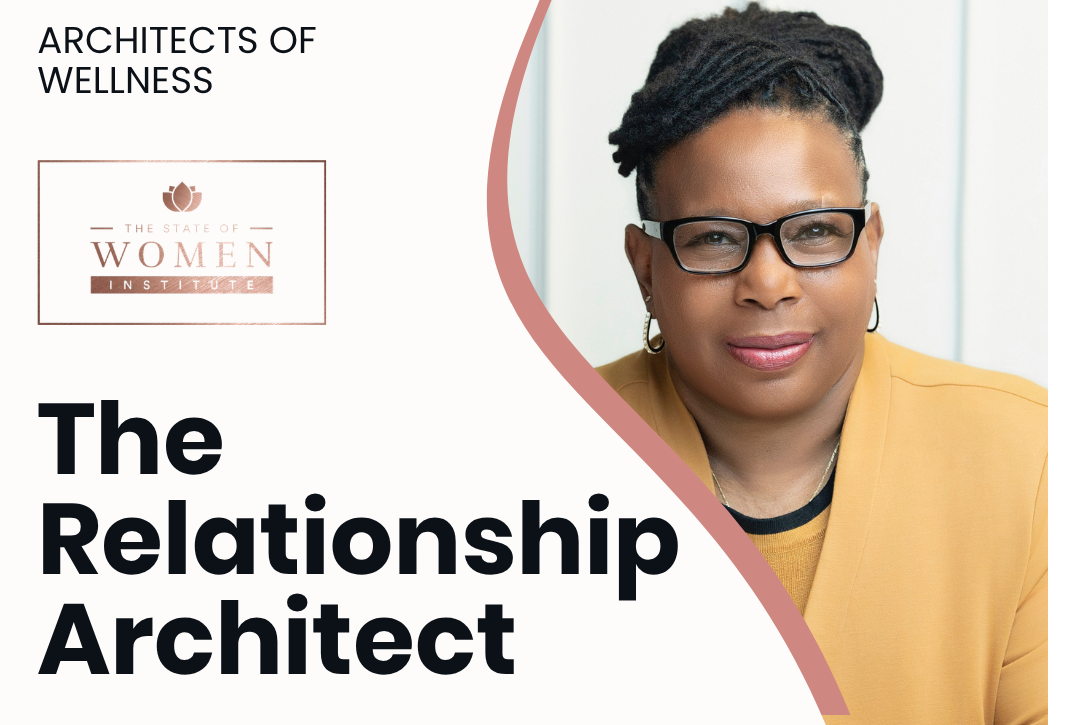
The Relationship Architect: Dr. Darlene Williams-Prades on Turning Personal Wounds into Generational Healing
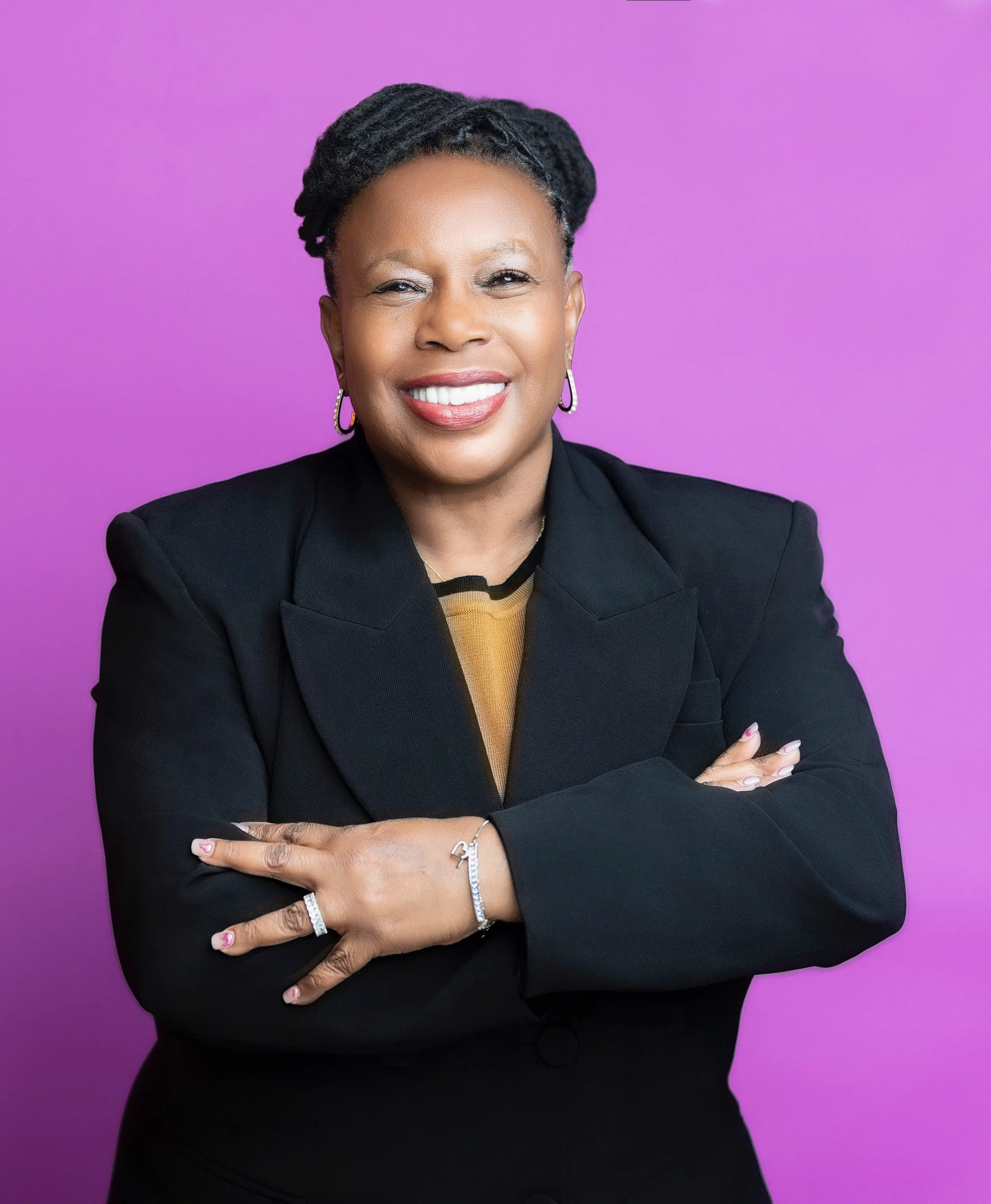
Dr. Darlene Williams-Prades has a personal credo: born to serve, built to endure, called to inspire. Over thirty years of service — from the Air Force to federal leadership to the relationship strategy sessions where she has, more than once, used her own money to make sure a struggling client got a meal — she has lived every word of it.
6 UNIVERSITIES · 4,000+ LIVES TRANSFORMED · 30+ YEARS OF SERVICE · 8 BOOKS IN 2026
Born to serve. Built to endure. Called to inspire.
Dr. Darlene Williams-Prades has been living these words since long before she put them into language. They are her personal credo — forged across six decades of loss, service, resilience, and purpose — and they are the clearest map she has ever found to who she is and what she does.
From orphaned child to Bowie State University and Strayer University graduate, from Air Force veteran to federal leader, from entrepreneur to international coach, the arc of her life is remarkable in its consistency: every chapter has been, in some form, about showing up for people who needed her.
She serves as a concierge relationship strategist working with couples on the verge of separation or divorce, with corporations whose staff lacks effective communication, and with individuals navigating their own most difficult seasons. Her work bridges the distance between surviving life's challenges and thriving through them — helping build the kinds of relationships that can weather any storm.
She also serves on the FEMA Diversity and Inclusion Council, has authored multiple books including the forthcoming I Know Who God Made Me (May 2, 2026), and is building what she calls a generational legacy of service for her three children and four grandchildren.
Born to Serve
She was an orphaned child who had to learn, early and without the usual support, how to take care of herself. It would have been enough simply to survive that. Instead, it became the first chapter of a life defined by service to others facing exactly that kind of vulnerability.
Through her years in the Air Force defending her country, through her work in federal leadership, and into her current work transforming relationships and developing safety technology for underserved populations, Dr. Williams-Prades has never stopped moving toward the people who need her most. Every challenge she has faced, she says, deepened her understanding of what it actually means to serve.
Built to Endure
She lost both parents at sixteen. She has faced significant health challenges as an adult. In another life — or another temperament — any one of these experiences might have been the end of the story. For Dr. Williams-Prades, each one became preparation.
Her capacity to sit with people in their most difficult moments is not clinical distance. It is the recognition of someone who has been there. When she tells a client that the worst of what they are going through can become the foundation of something larger, she is speaking from a life that has proven it.
Called to Inspire
Eight books releasing in a single year. Speaking engagements. Safety technology in development for people who currently have no adequate protection. A relationship practice her clients describe as radical.
Dr. Williams-Prades' calling to inspire is not one thing. It shows up wherever there is a gap between what people are living and what they deserve. Her work across all of these dimensions carries the same conviction: that transformation is possible, and that the most credible guide through difficulty is someone who has already walked it.
Building a Legacy Through Service
Each company Dr. Williams-Prades has founded was built to close a gap — in how people relate to one another, and in how the most vulnerable among us are protected. Superior Love Forever, LLC addresses the first. Invisible Me, LLC addresses the second.
Superior Love Forever: Concierge Relationship Transformation
Dr. Williams-Prades works with couples on the verge of separation or divorce, with organizations whose staff lacks effective communication, and with individuals who need help understanding their own situations. What she offers is not traditional counseling — it is comprehensive transformation that holds the whole person, and the whole relationship system, in view at once.
She has used her own money to send struggling clients to spas. She has bought meals for people too overwhelmed to feed themselves. She calls it radical care. Her clients might call it the first time anyone told them, through action rather than words, that they were worth someone else's investment.
Invisible Me: Safety Innovation for the Underserved
Invisible Me, LLC began where so much of Dr. Williams-Prades' work begins: in personal experience of what it means to be unprotected. She is currently developing a safety device for underserved populations — particularly older adults and people with disabilities — because she knows from the inside what it costs a family to be without adequate protection.
The company is also, in her words, an act of love. Every innovation is designed with her grandchildren in mind, including one beloved grandchild on the autism spectrum, and every family that has ever known the particular fear of being without protection. The commitment behind it is straightforward: No family should have to live with the vulnerability and helplessness she has known.
She has known that fear. She intends to make sure others don't.
Recognition & Leadership
Awardee, Commander of the Most Noble Order of Global Peace Ambassadors (CGPA), appointed by WOLMI, a United Nations-accredited NGO with civil society programs in Geneva
Graduate, WOLMI Diplomatic Academy in Association with CICA International University and Seminary
FEMA Diversity & Inclusion Council Member
Air Force veteran
Author, I Know Who God Made Me (May 2, 2026) and 7 additional titles releasing in 2026
International Coach · Speaker · Entrepreneur
6 Universities served
30+ Years of Service
Where Her Work Meets Ours
The State of Women Institute works across three health equity pillars: Mental Health & Wellness, Maternal Health Equity, and Preventive Wellness. Dr. Williams-Prades' work touches every one of them, often simultaneously.
The faith-based relationship healing at the core of her practice addresses root traumas and builds the kind of emotional resilience that mental health systems alone rarely achieve. Her work with couples and families creates protective conditions for mothers navigating some of the most vulnerable periods of their lives, conditions that research consistently links to better maternal health outcomes. And her broader approach to resilience-building, which treats the whole person rather than the presenting crisis, does what the best preventive care does: it works upstream, before the emergency arrives.
None of it is labeled as health equity work. She is not running a clinical program. She is doing the quieter, more durable work of helping people stay intact in their relationships, in their families, and in themselves. That has always been health infrastructure. Dr. Williams-Prades has simply been building it for thirty years.
"When I first encountered Dr. Williams-Prades' work, I was struck by how she embodies the very principles she teaches about transformation. Here is a woman who turned losing both parents at sixteen into a calling to ensure no one else feels abandoned — who transformed personal health challenges into expertise that serves thousands. Dr. Williams-Prades offers something transformative: the lived experience of surviving abandonment and choosing connection, of facing vulnerability and building protection for others. Her work demonstrates that the most powerful health equity solutions come not from theory, but from the courage to transform our greatest challenges into our most meaningful service."
— Dr. Odessa Lacsina, Executive Director, The State of Women Institute
Learn more about Dr. Williams-Prades’ work at www.superiorloveforever.com
The State of Women Institute · thestateofwomen.org · @thestateofwomen
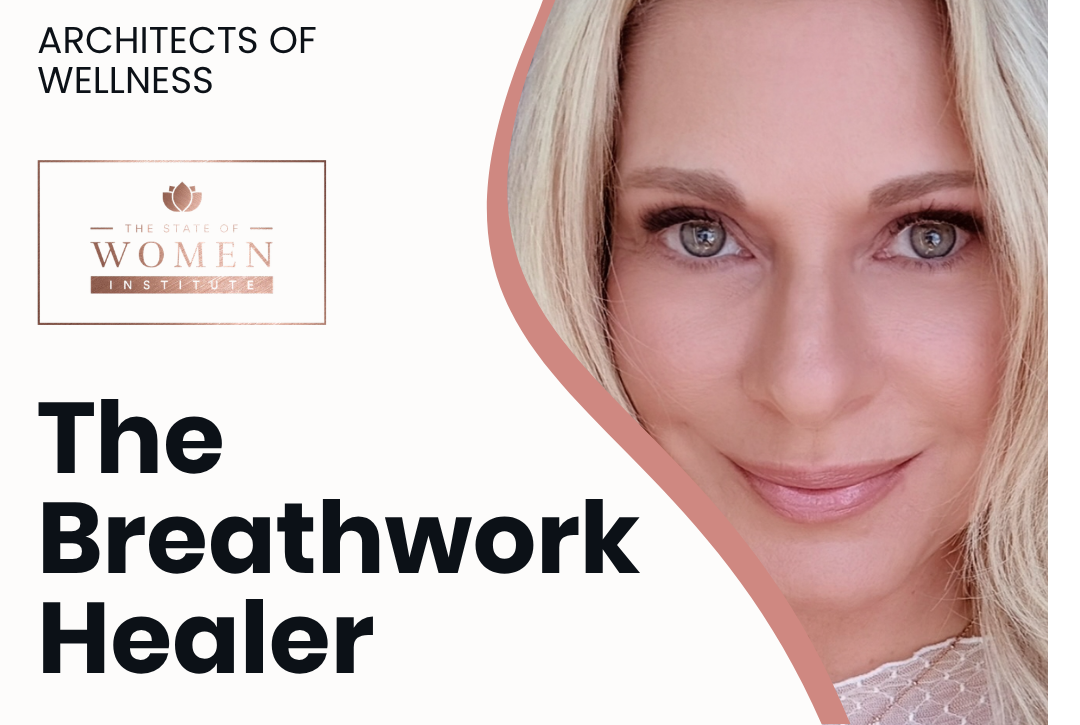
The Breathwork Healer: Melissa Losito Braithwaite on Sisterhood, Trauma, and Learning to Breathe Again
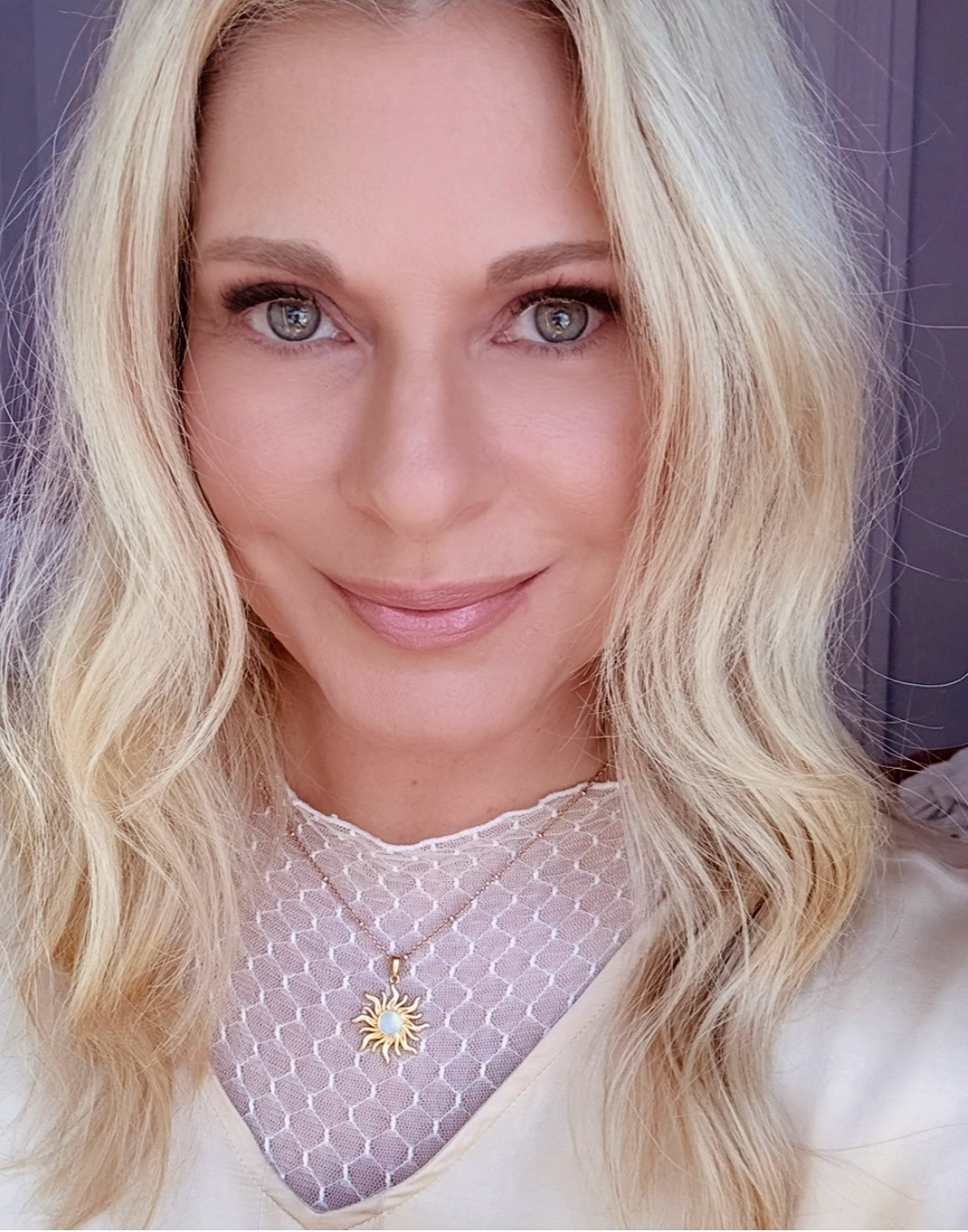
For most of her life, Melissa Losito Braithwaite was afraid to breathe. Now she has built a practice — and a community — around helping other women do exactly that.
40 YEARS FROM TRAUMA TO PURPOSE · 4 SESSIONS TO END FLASHBACKS · 1 SESSION TO UNBLOCK YEARS OF TRAUMA · 11: AGE WHEN SHE RECEIVED HER SACRED ASSIGNMENT
A Life Shaped by Breath
There was a moment that shaped everything. At age four, Melissa Losito Braithwaite was found blue at the bottom of a pool, requiring CPR from her father to bring her back to life. That near-drowning left her with a profound awareness that death could happen at any moment — and a family too traumatized to help her process what had happened.
"From that day forward, I was always afraid to breathe incorrectly," she recalls. "Any kind of exercise or activity that changed my breathing from normal scared me very much." That fear would manifest as debilitating panic attacks that began during her college years at Immaculata University and continued throughout her career as a beloved third-grade teacher.
But trauma wasn't the end of Braithwaite's story — it was the beginning of her calling. Seven years after the near-drowning, at age eleven, something would set her on a path that would take 40 years to fully understand.
A Sacred Assignment
During a family bingo night at her Catholic school, something drew eleven-year-old Braithwaite to the empty church next door. Kneeling in the front pew, she experienced what she describes as "the most encompassing, loving feeling I ever felt in my life." In that moment of stillness, she heard words that would stay with her for decades:
“Melissa, you have something important to do in this lifetime with me.”
— The message Melissa Losito Braithwaite heard at age eleven
That sense of a divine mission followed Braithwaite through everything: her degree in elementary education from Immaculata University in 1992, her years as a teacher, her marriage in August 1997, and her journey into motherhood with daughter Grace — born in 2002 after six years of trying — and her son, born in 2007. Through postpartum depression, through persistent panic attacks that no medication could touch, through years of searching for her true purpose, that sense of calling remained constant.
The Long Journey Home
Braithwaite’s spiritual seeking led her on an extraordinary journey of discovery — solo retreats to Tahiti and Costa Rica, certifications in Reiki healing and crystal therapy, Kundalini yoga teacher training in Norway. Each experience expanded her understanding of healing, but none quite fulfilled the calling she had felt since childhood.
Conventional medical approaches had, by her account, largely failed her. Psychiatrists prescribed medications that didn't work. Specialists at Jefferson Headache Center couldn't resolve her migraines. Therapists offered little in the way of lasting relief. "There was a therapist who said, 'Oh, there's a book you should read. It's called the Panic Attack Disorder book,' and that was the end of that," she remembers.
In 2021, after a stage 0 breast cancer diagnosis and lumpectomy, Braithwaite's search intensified. She had already begun volunteering with Pennies in Action, a 501(c)(3) nonprofit supporting the DC1 immunotherapy breast cancer research of Dr. Brian Czerniecki, but something was still missing. At a retreat in Costa Rica, she experienced her first breathwork session — and despite her long-held terror of altered breathing, felt something shift.
Learning to Breathe Again
Months after that first session, and despite her fear, Braithwaite reached out to breathwork teacher and trainer David Elliott. At his 2022 training at the Omega Institute in New York, she was so frightened she couldn't lie down. With tears streaming down her face, she told him she didn't think she could do it.
Elliott, a farmer from Kentucky, was matter-of-fact: "Oh, you'll be fine. Just lay down and start the breathwork." That calm reassurance changed the direction of what followed. By the fourth day of training, Braithwaite says, something shifted in how she understood the drowning incident. After that session, she reports, she never had another flashback.
“I realized: I need to do this. This is what people need to learn about. This is what I need to share with other people.”
— Melissa Losito Braithwaite
Healing Through Sisterhood
Today, Braithwaite facilitates breathwork sessions that combine personal healing with community — what she calls gathering women together in sisterhood. In her practice, breathwork works with what she describes as stored emotional tension in the body, but she is equally focused on what happens in the room after the breathing ends: the conversations, the recognition, the sense of not being alone.
"We don't have that anymore, and it is so needed," she says. "A lot of the healing happens when we release through breath, but healing also happens when you connect with other women."
The responses she witnesses in her sessions are varied. A poet laureate who hadn't written in years created a poem after a single session. Participants describe releasing emotions they had carried for decades. Women reconnect with creativity and a sense of self they thought they had lost.
"Our job in life is to be authentic and express ourselves authentically, to be creative and be in flow," Braithwaite says. "When we can do that, we're living joyfully. Breathwork helps us connect back to our true self, our essence, our spirit. It's a shortcut to healing, a shortcut to your inner child."
Training & Certifications
Immaculata University, Elementary Education (1992)
Certified Breathwork Healer, David Elliott Training
Reiki Healing Certification
Crystal Healing Certification
Kundalini Yoga Teacher Training (Norway)
ICE Works Homeschool Education (1998–2001)
Pennies in Action Volunteer (Supporting DC1 Immunotherapy Research)
Third Grade Teacher (1992–1997)
Where Her Work Meets Ours: Breath as Health Infrastructure
The State of Women Institute works across three health equity pillars: Mental Health & Wellness, Maternal Health Equity, and Preventive Wellness. What draws us to Braithwaite's work is its focus on the whole person — not as a substitute for clinical care, but as a complement to it, and as an approach to the emotional and communal dimensions of wellness that conventional systems often leave unaddressed.
Her breathwork practice works with trauma, anxiety, and panic — the very conditions she navigated for decades herself — and her approach is grounded in the understanding that healing is rarely a solitary process. Having lived through postpartum depression, Braithwaite brings firsthand knowledge to the isolation many new mothers face, and her sisterhood model offers something that clinical settings rarely can: sustained community.
Her advocacy and volunteerism with cancer research organizations reflects the same conviction that whole-person wellness and evidence-based medicine are not in opposition. For Melissa, they are part of the same continuum.
Pillars: Mental Health & Wellness · Maternal Health Support · Preventive Wellness · Trauma Healing
Building the Future of Healing
Melissa's vision extends beyond individual sessions. She is working toward regular gatherings where women can come together to breathe, release, and reconnect — and her partnership with The State of Women Institute's upcoming wellness network is aimed at making these experiences accessible to women across a broader range of communities.
"Whatever stage of life in which women find themselves, we are all holding onto energy and emotions that no longer serve us," she says. "This takes up space in our bodies that we don't need to hold on to anymore. When we release it, we make space for our innate creative spark. When women gather and experience this together, something magical happens. Women become sisters almost immediately, as we are able to see ourselves and each other as we truly are."
From the four-year-old who nearly drowned to the healer now teaching women to breathe freely again — Melissa's path has been shaped at every turn by the very experiences she once feared most. What she found on the other side of that fear became her life's work.
“Melissa’s work demonstrates that true preventive wellness isn’t just about avoiding illness, it's about helping women reconnect with their essential selves, their breath, and each other. In a world where women often hold their trauma in silence, Melissa creates a sacred space where healing happens through both breath and sisterhood.”
— Dr. Odessa Lacsina, Executive Director, The State of Women Institute
Connect with Melissa Learn more about Melissa's breathwork practice and upcoming gatherings.
www.melissalosito.com · @melissaslosito
The State of Women Institute · thestateofwomen.org · @thestateofwomen
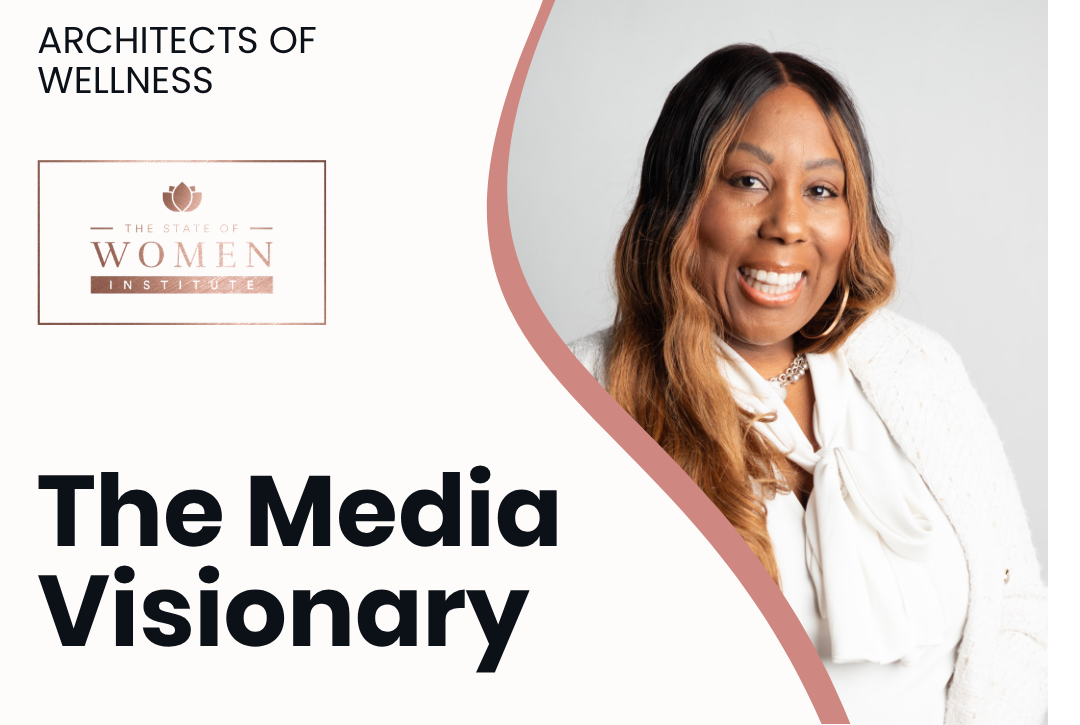
The Media Visionary: Dr. Vonnya Pettigrew on Building an Empire — and a Community — from the Ground Up
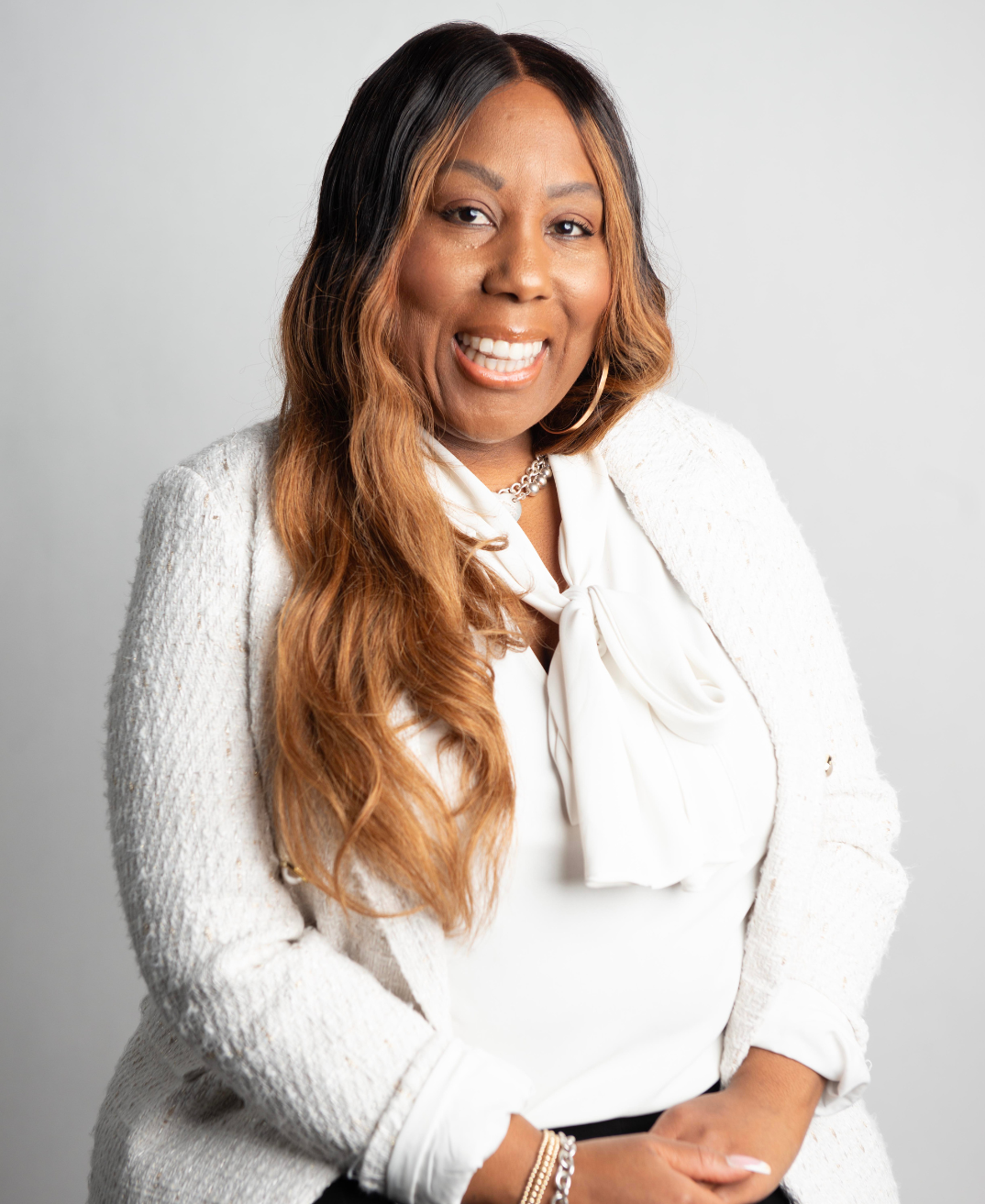
There is a building on the waterfront of Baltimore's Canton Harbor that tells a story most people never expected to be told. At 2220 Boston Street, on a 14,400-square-foot block of prime Maryland waterfront real estate, a Black woman from Baltimore built an empire — not with investors, not with grants, not with programs. She built it with vision, discipline, and an unshakeable belief that the communities she served deserved to see themselves reflected not just in stories, but in the very infrastructure that tells those stories.
27+ YEARS IN MEDIA · 7 BUSINESS VENTURES · 14,400 SQ FT WATERFRONT · K–12 YOUTH VIA FILM ACADEMY
The Foundation
That woman is Dr. Vonnya Pettigrew, HonD — CEO and founder of Root Branch Media Group, Honorary Doctorate recipient in Business Philosophy, former White House intern, award-winning filmmaker, and one of the most quietly powerful forces at the intersection of media, community development, and health equity in the mid-Atlantic region.
The State of Women Institute started Architects of Wellness to document something specific: what it actually looks like when women build health equity infrastructure rather than just describe it. In Baltimore, Dr. Pettigrew has been doing exactly that since 2006.
From White House to Waterfront
Dr. Pettigrew was an intern in the White House Speech Writing Department under President Bill Clinton in 1999 when she got her first real lesson in how power communicates. She got a front-row seat to the most powerful communications operation in the world. She watched how language shapes policy, how narrative moves people, and how the stories told in the halls of power determine whose lives are centered — and whose are left at the margins.
She returned to Baltimore with something most interns don't leave Washington with: a mission. Not just to tell stories, but to build the infrastructure that allows marginalized communities to tell their own.
In 2006, Dr. Pettigrew founded Root Branch Media Group. What started as a media production firm quickly evolved into something far more expansive — an ecosystem of interconnected businesses and nonprofits designed to address the full landscape of what communities need to thrive: media, economic opportunity, youth development, workforce training, and underlying all of it, the health and wellbeing of the people she serves.
“My vision is to educate, equip, and empower others to control their narratives in a world where their stories are often told for them or shaped by stereotypes or societal norms.”
— Dr. Vonnya Pettigrew, HonD
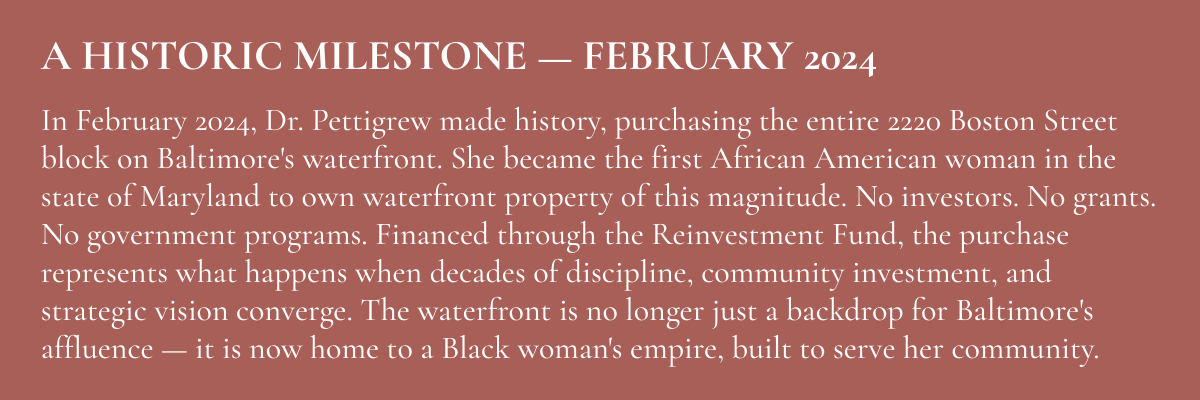
The Root Branch Multiverse
To understand Dr. Pettigrew's impact on community wellness, it helps to understand the breadth of what she has built. Root Branch Media Group is not a single company — it is an ecosystem. Each branch addresses a different dimension of community need, and together they form something most communities in America desperately lack: locally owned, community-serving infrastructure.
Root Branch Media Group Award-winning production firm delivering video, film, branded content, animation, and photography — with credits including Discovery Channel, TV One, MPT, and Charm TV.
Root Branch Film Academy Film and digital media arts education for youth K–12, giving young people creative tools, career pathways, and a reason to believe their stories are worth telling.
Root Branch Marketplace A home-shopping style television series spotlighting local Maryland small businesses from all across the state, training entrepreneurs in digital media, marketing, and the tools to scale in the digital economy.
Root Branch G.R.O.W. Professional training and workforce development for adults 18+ — building economic opportunity for those who need it most in the mid-Atlantic region.
Root Branch Arts & Outreach Institute A 501(c)(3) nonprofit ensuring arts education and community programming reach those who might otherwise be left out of cultural and creative life.
Root Branch Press Coffee & Co. A forthcoming community gathering space — because wellness requires places where people can come together, connect, and build belonging.
Each of these ventures does something no single awareness campaign could: It creates a permanent structure that continues to serve the community long after any given initiative ends.
Why Media Is a Health Issue
When most people think about health equity, they think about access to doctors, insurance, and hospitals. Dr. Pettigrew thinks bigger. She understands something that research increasingly confirms: Whoever controls the narrative controls the conditions that determine health outcomes long before anyone walks into a clinic.
When Black communities don't see themselves in media — as entrepreneurs, innovators, healers, and leaders — it affects self-perception, aspiration, and the sense of possibility that shapes mental wellness at every stage of life. When young people have no creative outlets, no pathways to purpose, no structures that say their story matters, the mental health consequences are profound and lasting.
The Root Branch Film Academy doesn't just teach kids to make films. It tells them — with every lesson, every camera placed in their hands, every story they are asked to tell — that they are worth seeing. That their experiences are worth documenting. That they have something to say that the world needs to hear.Reframed in public health terms, this is preventive wellness: community mental health infrastructure built one student at a time through the daily work of telling young people that their stories matter.
“When women like Dr. Pettigrew build economic power, create platforms for storytelling, and invest in youth development, they are building health equity — whether they call it that or not.”
— Dr. Odessa Lacsina, Executive Director, The State of Women Institute
From the Statehouse to the Screen
Dr. Pettigrew's commitment to community wellness extends far beyond her businesses. As an active member of the National Coalition of 100 Black Women Baltimore Metropolitan Chapter, she has stood on the floor of the Maryland State Capitol to advocate for the health and rights of Black women and families. She has developed culturally responsive "Know Your Rights" campaigns for National Guard, law enforcement, and immigrant communities — understanding that health equity requires not just access to care, but access to the knowledge that protects lives.
This willingness to move between roles — filmmaker, entrepreneur, advocate, educator, policy voice — is what makes Dr. Pettigrew extraordinary. She refuses to be boxed in. She understands that the fight for Black women's health and wellbeing requires presence in every room where decisions are made.
Recognition & Leadership
25 Women to Watch 2025, The Baltimore Sun
Top 100 Women in Maryland, The Daily Record (2023)
Women of Vision Award, Women in Film & Video DC (2023)
Goldman Sachs 10,000 Small Businesses Program Alumni
Baltimore Leadership Class 2023 Alumni
Distinguished Toastmaster
Member: National Coalition of 100 Black Women · Black Leadership Circle · NABJ · BABJ · NAACP Baltimore
Baltimore City Chamber of Commerce · NAWBO DC · The CEO Club
The Women of Vision Award places Dr. Pettigrew in the company of legends: Cicely Tyson, Ruby Dee, Gwen Ifill, Penny Marshall, Tipper Gore — women who used their platforms to tell truth, challenge power, and open doors. Dr. Pettigrew belongs in that lineage, and she is just getting started.
Where Her Work Meets Ours
The State of Women Institute works across three health equity pillars: Mental Health & Wellness, Maternal Health Equity, and Preventive Wellness. What is most striking about Dr. Pettigrew's work is that it touches all three — not through programs explicitly labeled as "health," but through the deeper infrastructure that health equity requires.
Economic stability is a primary driver of mental wellness. Her Root Branch Marketplace and G.R.O.W. program build the economic foundation that reduces the chronic stress, anxiety, and financial trauma driving so many mental health disparities in Black communities. Youth with creative outlets, mentors, and structured pathways to purpose are profoundly less likely to experience the mental health crises that devastate young communities — making the Film Academy preventive mental health care at scale. And her advocacy at the Maryland State Capitol for Black maternal health is a reminder that the fight for health equity happens in every arena: not just in clinics, but in legislative chambers, community centers, and yes, on Baltimore's waterfront.
Pillars: Mental Health & Wellness · Economic Empowerment · Maternal Health Advocacy · Youth Development
What She’s Building Next
Dr. Pettigrew’s vision extends far beyond Baltimore. She has her eyes on building media arts hubs in urban communities across the country — spaces where young people of color can learn the craft of storytelling and the business of media, where entrepreneurs can build and grow, and where communities can gather and connect.
She is currently partnering with The State of Women Institute to bring health equity programming into the Root Branch ecosystem, from podcast production support to mentorship for the next generation of women health communicators — a collaboration rooted in a shared conviction that media infrastructure and health equity infrastructure are not separate conversations. They are the same conversation.
“These aren't just professional interests for either of us — they’re deeply personal missions rooted in the women we've loved and lost, and the generations we're determined to protect.”
— Dr. Odessa Lacsina, on the partnership between The State of Women Institute and Root Branch Media Group
Because when a Black woman owns the waterfront — when she controls the building, the platform, the camera, the story — she changes what is possible not just for herself, but for every woman and child who walks through her doors. That is health equity. That is systems change. That is what an Architect of Wellness looks like.
Connect with Dr. Pettigrew Follow Root Branch Media Group and support the work of women building health equity infrastructure in Baltimore and beyond.
Root Branch Media Group · rootbranchmediagroup.com · @rootbranchmg · @vonnyarooted
The State of Women Institute · thestateofwomen.org · @thestateofwomen
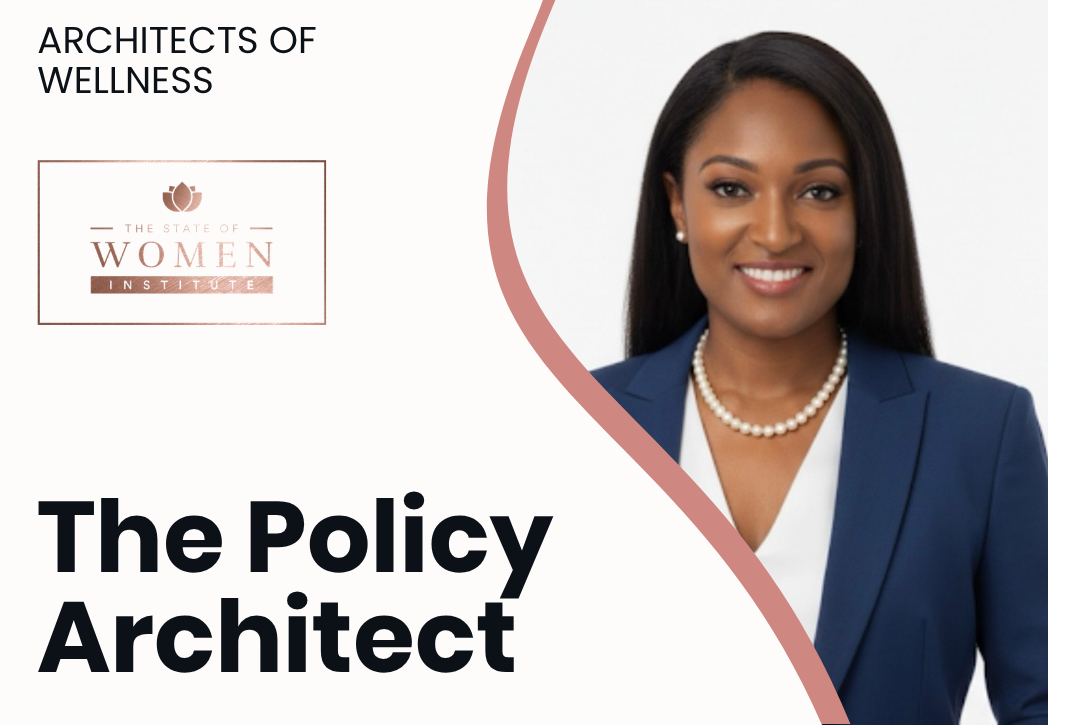
The Policy Architect: Alexis Solis on Building Health Equity from the Inside Out
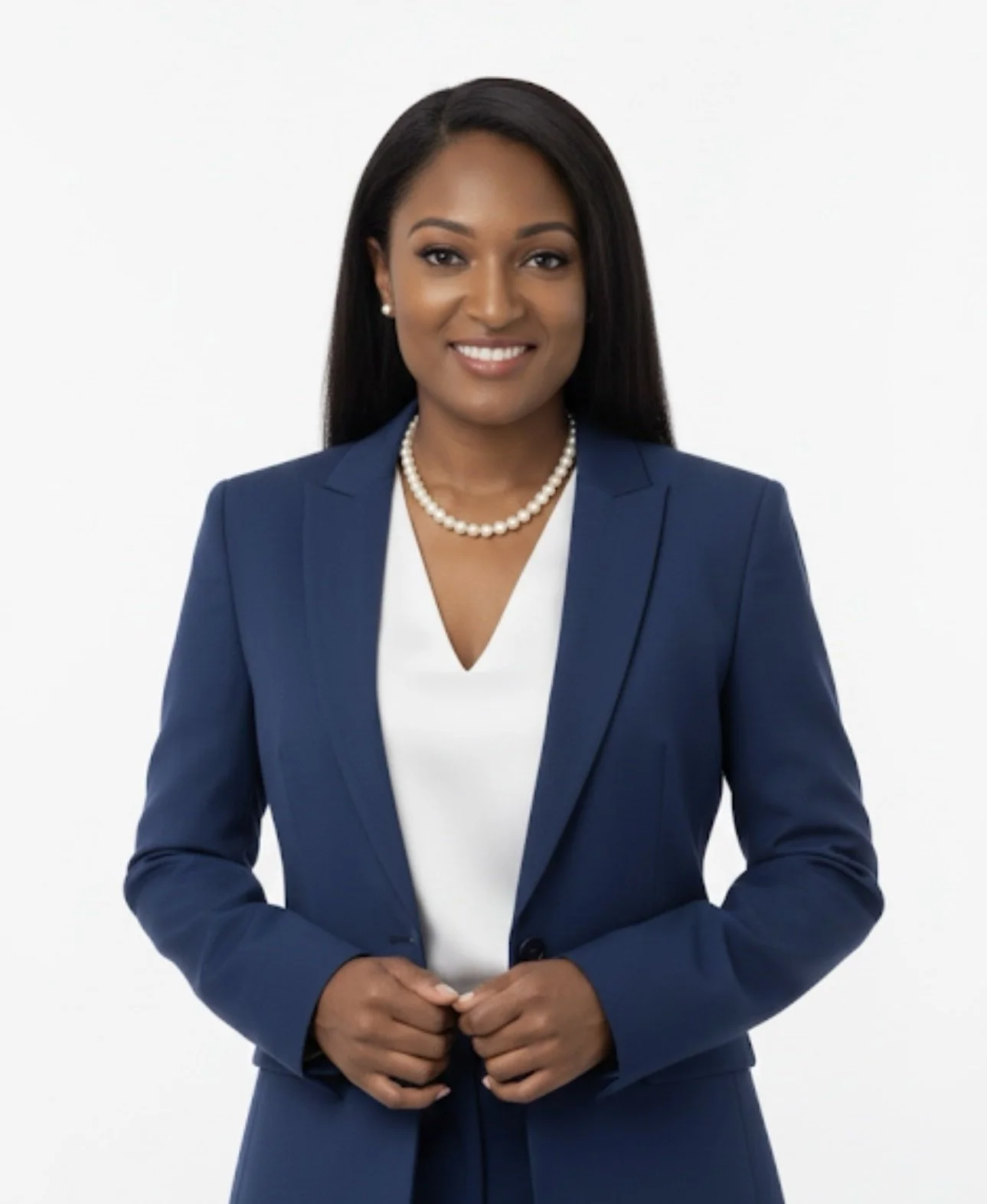
For more than 15 years, Alexis Solis has been doing the unglamorous, essential work of equity — navigating bureaucracies, rewriting rules, and refusing to accept that the systems meant to serve marginalized communities must stay broken. Now she is bringing that same tenacity to the halls of Congress.
15+ YEARS OF ADVOCACY · $12B FEDERAL PORTFOLIO · MD-5 CONGRESSIONAL DISTRICT · 3 THE STATE OF WOMEN PILLARS ADVANCED
The Bridge Builder
Alexis Solis does not fit neatly into any one category — and she has learned to lean into that.
The daughter of a Nicaraguan and white father and a Black mother, she grew up navigating multiple worlds, learning early that identity is not a limitation but a lens. Today, as a book author, youth volleyball coach, Vice President of Government Relations at Tryfacta, CEO of Empress Consulting International, and congressional candidate for Maryland's 5th District, she brings that same multidimensional perspective to everything she touches: from healthcare policy to mental health advocacy to the youth volleyball court.
"I've always believed that leadership isn't about fitting into one lane — it's about building bridges across many," she says. "Whether it's healthcare policy, mental health advocacy, or mentoring young athletes, showing up fully and doing the work for my community — that's the job."
That perspective has shaped a career spanning three decades of advocacy — more than 15 of them focused on consulting, policy, and community leadership in Prince George's County, one of Maryland's most politically complex and historically underserved counties. Long before health equity became a national conversation, Solis was in the rooms where it was being neglected — making sure someone in those rooms was paying attention.
"Policy is health. If we want stronger communities, we have to write laws that treat health as a priority, not a privilege." — Alexis Solis
From Federal Corridors to Community Roots
Before joining Tryfacta, Solis founded Empress Consulting International (ECI), a firm dedicated to supporting small businesses from formation and certification through scaling, contracting, and long-term sustainability — both domestically and internationally. Prior to launching ECI, she managed a federal, state, and local portfolio exceeding $12 billion at 22nd Century Technologies, where she gained an intimate understanding of how federal resources flow, where they stall, and who bears the cost when they fail to reach the communities they were designed to serve.
She witnessed firsthand how federal health and social programs could be transformative in theory yet inequitable in practice, when implementation overlooked the realities on the ground.
That experience became the foundation of Empress Consulting International, where she works with small businesses, government agencies, nonprofits, and health systems to bridge the gap between federal intent and community reality. In addition to advisory and strategic consulting services, ECI also provides staffing support, connecting organizations with qualified professionals to ensure operational continuity and mission success.
Today, as vice president of government relations at Tryfacta — a California-based technology and staffing partner with 185 government contracts across the country — her work is focused on driving strategic growth, strengthening public-sector partnerships, and expanding national impact, while ensuring that policy, procurement, and community outcomes remain aligned.
When Health Policy Is Personal
For Solis, health equity has never been abstract. After losing her mother to mental health challenges, she joined the board of the National Alliance on Mental Illness (NAMI), turning grief into sustained advocacy. She has since championed efforts to expand access to care, reduce stigma, and confront the systemic barriers that disproportionately affect communities of color.
As federal budget debates place mental health funding at risk, she does not hedge: "We cannot strengthen communities while cutting the services that keep families stable. If funding is threatened, I will fight in Washington to protect it — because mental health care is essential."
Her work on the Special Education Advisory Committee reflects the same conviction: that education and health are not separate issues but deeply interconnected ones. And when she steps away from the policy table, she is on the volleyball court, mentoring young girls and helping them build the resilience, confidence, and sense of community that formal systems too often fail to provide.
Now, as a congressional candidate for Maryland's 5th District, Solis is carrying that same record into the political arena. Her platform centers on health equity, economic stability, educational equity, and inclusive representation for the diverse communities of Prince George's County and Southern Maryland.
Why Alexis Solis Opens Architects of Wellness
Every Monday, we introduce you to a woman who is building something — in policy, in medicine, in research, in community. We're calling the series Architects of Wellness, because the women we're highlighting aren't just advocates. They're constructing the infrastructure that health equity actually requires.
We're starting with Alexis Solis because her work makes something visible that often stays invisible: the direct line between policy decisions and the health outcomes of real people. The laws passed, the budgets allocated, the programs funded or defunded — these are not abstractions. They determine who survives and who thrives. Solis has spent decades inside those systems, and she understands that changing them requires exactly the kind of sustained, unglamorous, inside-out work that rarely makes headlines.
Health equity needs more than clinicians and researchers. It needs people who understand how power moves — and who are willing to go where it lives.
Where Her Work Meets Ours:
Pillar 1 — Mental Health & Wellness Advocating for mental health funding, parity legislation, and youth mental health in sports and schools.
Pillar 2 — Maternal Health Equity Championing maternal health policy reforms that address racial disparities, centering Black and Latina women.
Pillar 3 — Preventive Wellness Former board member of the BREM Foundation, advancing early detection, equitable screening, and cancer research funding.
Building What Must Exist
What distinguishes Solis is a relentless practicality. She is not interested in visibility for its own sake, in performative politics, or in advocacy that stops at awareness. She wants structures changed. Budgets rewritten. Programs redesigned. And she is deeply familiar with how tedious, unglamorous, and necessary that work is.
For the communities of Maryland's 5th District — and for every woman who has been failed by a health system that was never built with her in mind — Alexis Solis is building something different. Not just a platform. Infrastructure.
That is, after all, what architects do.
"Alexis understands something The State of Women holds at its core: the gap between health equity as a concept and health equity as a reality is a policy gap. We need architects in Congress — people who know how to read the blueprints and aren't afraid to rebuild what isn't working." — Dr. Odessa Lacsina, Executive Director, The State of Women Institute
Leadership & Service
Vice President of Government Relations, Tryfacta
CEO, Empress Consulting International
Congressional Candidate, Maryland's 5th District
Board Member, BREM Foundation to Defeat Breast Cancer
Special Education Advisory Committee Member
15+ Years of Prince George's County Advocacy
Youth Volleyball Coach
Member, Alpha Kappa Alpha Sorority, Inc. — Psi Phi Omega Chapter
Former Board Member, American Red Cross, Southern Maryland Chapter
Author, She Rose: A Story of Strength, Vision and Voice — https://a.co/d/0bY0WIE8
Connect with Alexis Solis Website: www.votealexissolis.com · Instagram: @ms.lexisolis · LinkedIn: Alexis Solis
The State of Women Institute · thestateofwomen.org · @thestateofwomen