
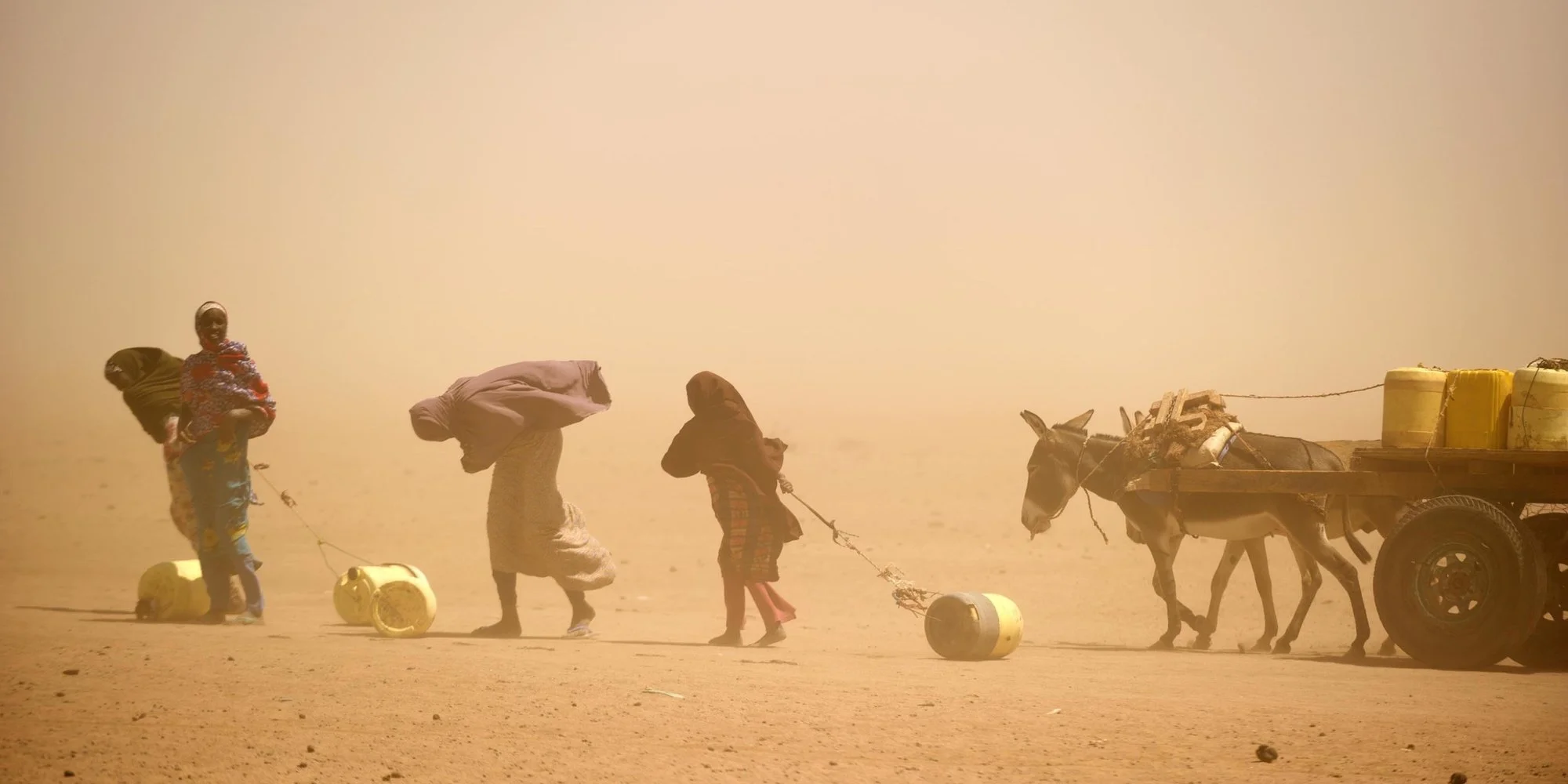
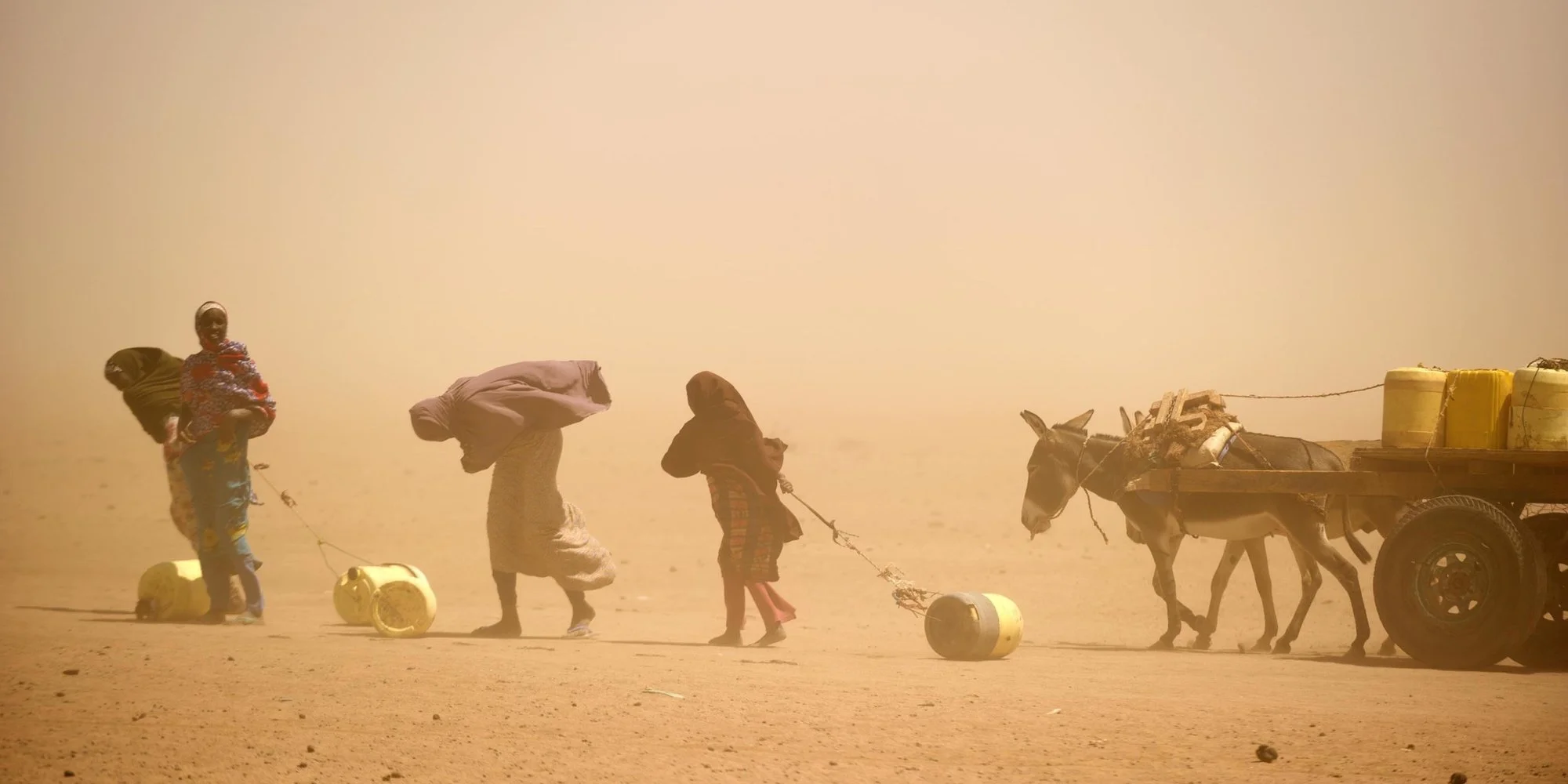
How Climate Change Is Fueling Violence Against Women
"I was in Santa Maria Xalapan of Guatemala when a group of women said young girls were being kidnapped and raped because there was a water crisis. It was a revelation," said the executive director of the Fondo Centroamericano de Mujeres, a women's fund based in Central America.
In the indigenous Xinca society of Xalapan, men often kidnap and rape young girls before marrying them, Lopez said, and for about a decade, the local women's group had been campaigning to end this trend.
But in the last two years, groundwater was becoming scarce, because of weather changes and increased mining in the region. As women and girls had to walk further to fetch water, the number of kidnappings and rapes more than doubled over that period, local women said.
"The group of young women came to us and said that they were going to campaign for women's and girls' access to water, because that was the main reason behind the rise in rapes and kidnapping. So we provided them a grant of $15,000 that was usually reserved for climate projects," said Lopez, who spoke at this week's Women Deliver conference in Copenhagen, which for the first time had a strong focus on climate change issues this year.
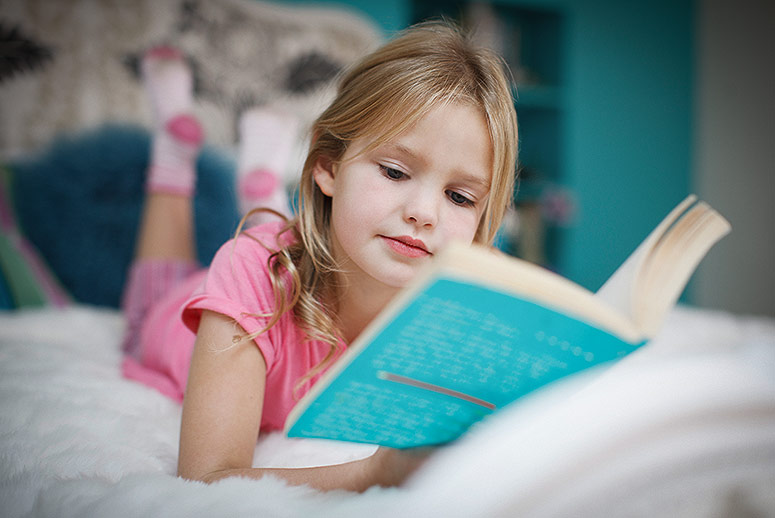
See Inside the New Book Teaching Girls They Can Change the World

Magazine About Muslim Women Aims to Highlight Diversity

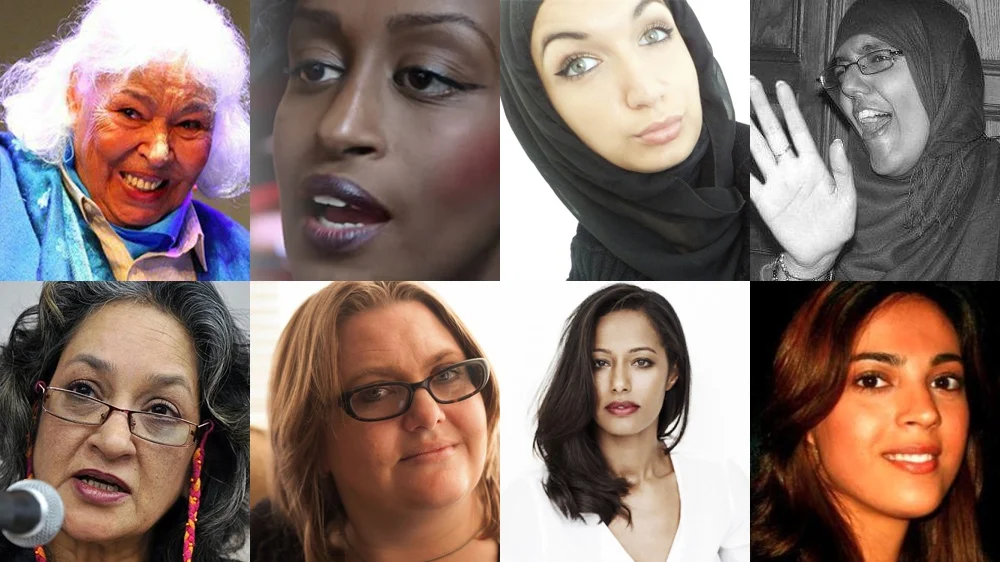
These are just some of the articles that launched a new digital magazine, sister-hood (sister-hood.com), which is aimed at spotlighting the diverse voices of Muslim women.
Founded by Deeyah Khan, an Emmy-award winning filmmaker and activist, the magazine went live on Monday after several months of work.
Al Jazeera spoke with Khan about the perception of Muslim women in the media and the aspirations of sister-hood.
Al Jazeera: Why did you launch sister-hood?
Deeyah Khan: I wanted to challenge the public impression of women from Muslim heritage as victims, or as potential radicals, or mothers of extremists. I also wanted to make a broader categorisation of what it means to be of Muslim heritage, to reflect the true diversity.
sister-hood is for all women and girls of Muslim heritage, regardless of age, ethnicity or sexuality. Devout Muslims, cultural Muslims, former Muslims and agnostics are all welcome to contribute and participate; all sects and denominations are welcome. Whatever their differences, they can speak to their common experiences of growing up in Muslim families and communities, of experiencing what it is to be considered Muslim in the world today.

Happy families? Male acceptance of equality in the home could define the future

Nothing ventured, nothing gained, however. And there are some clear clues we can draw on to guess how family life might change in Europe over the years.
From the early 1970s, marriage and childbearing began to be postponed and cohabitation and non-marital childbearing started to increase. The trend is clear in the chart below.
Demographers Dirk Van de Kaa and Ron Lesthaeghe interpreted these changes as the consequence of changing values, increased self-fulfillment and individualism. They suggested that all European countries would experience a “second demographic transition”. Marriage, sex and parenthood would be separated, and we would see a convergence to sustained low fertility and a new set of family forms: non-marital fertility, lone parenthood, cohabiting couple families.
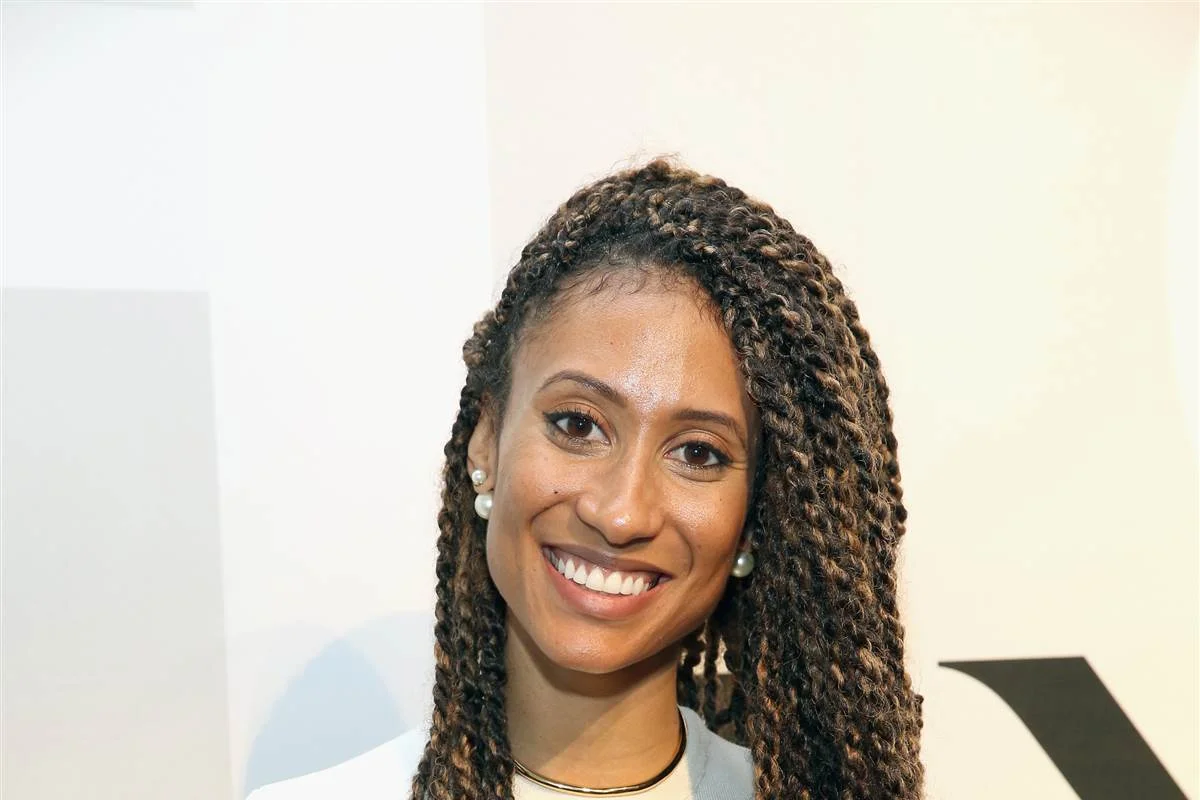
Teen Vogue Hires First Black Editor-in-Chief, Elaine Welteroth

This is not the first time Welteroth has made headlines, having also served as Teen Vogue's first African-American beauty director since 2012. Only the second Black editor-in-chief at large in the history of Condé Nast, Welteroth's experience traces back to Glamour magazine from 2011 to 2012, where she advanced from Beauty writer to Senior Beauty Editor, and her role as the Beauty and Style editor of Ebony magazine from 2008 to 2011.
As the youngest person to hold her new title at age 29, Welteroth is joined by two other editors - an unprecedented move for the magazine. The magazine's Digital Editorial Director, Phillip Picardi will also lead with Welteroth in addition to the Creative Director Marie Suter.
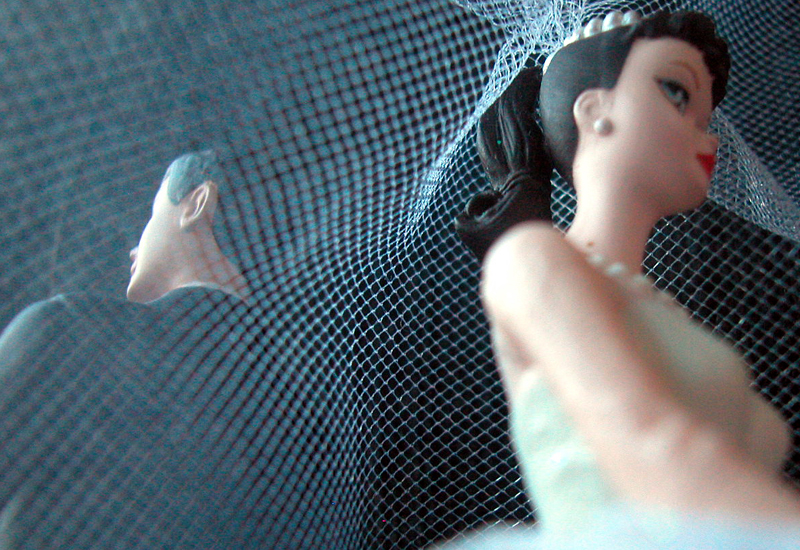
Child Marriage is in the U.S. and We Are Fighting It State-by-State

You probably don’t think of it happening in the United States. I certainly didn’t until I read an op-ed by Fraidy Reiss last October in The New York Times. I was shocked and appalled to read it happens right here in my backyard, the New York metropolitan area. The majority of children wed are minor girls.
Nearly all 50 states, including New York, set 18 as the minimum age to wed, but every state permits exceptions to the laws.
Children, defined by United Nations Convention on the Rights of the Child as those under age 18, may wed with parental consent or with judicial approval. The lines between what one person deems parental consent and another views as coercion, however, are often blurred.
The laws don’t require further inquiry of a child to determine if she or he is being pressured into marriage. Reiss knows of at least one case where a girl sobbed openly at the clerk’s office while her parents signed her marriage license application. The clerk did not question the girl and indeed had no legal authority to intervene.
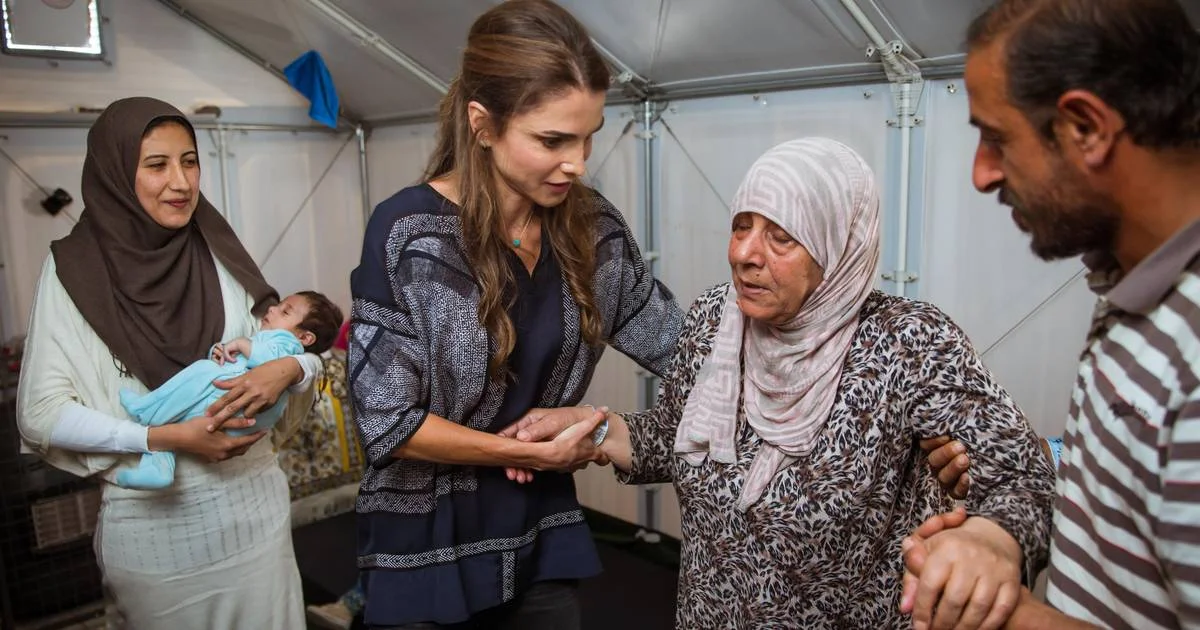
Exclusive: Queen Rania Reveals What the Syrian Refugee Crisis Really Looks Like in Jordan

No, this isn't the shores of Lesbos, the Greek island that has received the lion's share of attention when it comes to the Syrian refugee crisis. This is what's happening in Jordan right now, with minimal fanfare from the international media.
"It's getting worse," International Rescue Committee doctor Mohammed Sharadqah, 27, said in an interview in Irbid, a city located in the country's northern region, just kilometers from the Syrian border. "The refugees who remain in Jordan, five years later, are trapped in war. They are suffering."
Jordan, a key U.S. ally and a country that has long-enjoyed relative stability in the turbulent Arab world, may not receive the same visibility as countries in Western Europe. But faced with a severe economic downturn and escalating security concerns under the weight of an estimated 1.3 million Syrian refugees who have resettled in the country since the start of the Syrian civil war in 2011, the country is teetering on the brink.
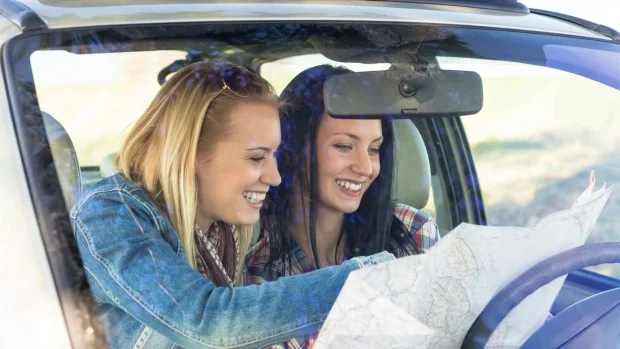
How women travel differently

Women are sick of staying at home. At least, that is what figures suggest. Ten years ago, for every 100 women who headed overseas on a trip, 117 men also jetted off. These days, that number is down to 110. Numbers only tell part of the story, however. The skew towards male travellers – reflecting that more men than women travel for business – disguises the fact that when it comes to holidays, it is often women calling the shots.
Women are estimated to make more than 80 per cent of the decisions when it comes to household purchases, and travel is no different, with women typically doing much of the planning and booking. "Definitely more women than men do the organising," says Claudia Rossi Hudson of Mary Rossi Travel.
As a result, travel trends tend to reflect women's interests. Booming areas such as culinary holidays, voluntourism and cultural tourism are all driven by female demand. Even in traditionally male areas such as adventure holidays, women are shaking things up.
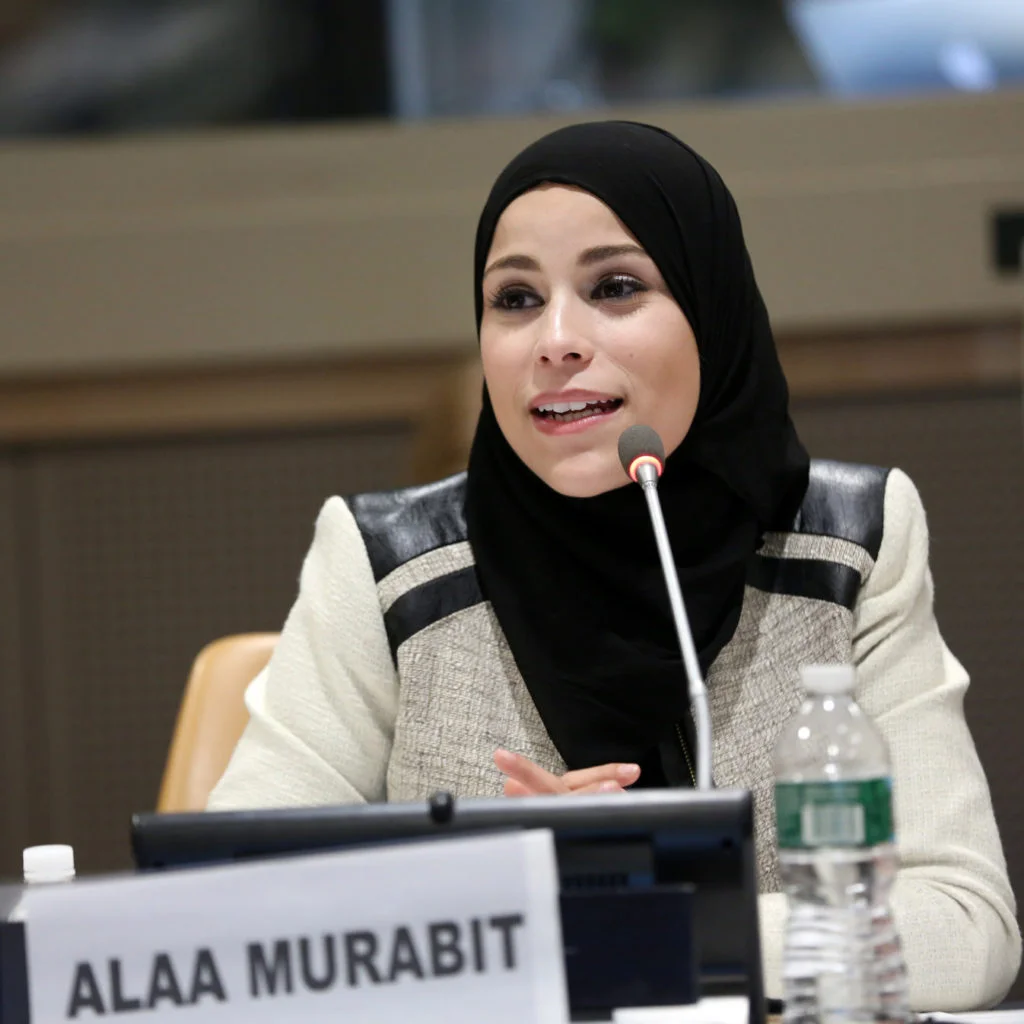
How My Mother Raised Me to be a Global Advocate for Girls and Women - Global Moms Challenge

The first leader I ever met was my mother. Her life is a series of sacrifices that society often writes-off and disguises as the necessary duties of any woman. At 19, my mother left her own family and moved to Canada, a country where she didn’t know the language, or the people. By my age, now 26, she had lost a daughter, and she had me, her seventh child. I am what some academics call “the radical middle” … And what some parents call, the “malignant middle.” As a young child I was a handful – I was curious and inventive – my mom not only tolerated that, she fostered it. Not the telling tall tales part, but the ambition. The curiosity.
My childhood was riddled with daily evidence of my mother’s courage. I saw my oldest sister, Amera, graduate from medical school at 22 and go on to become a renowned pediatric plastic surgeon, inspiring myself and my entire community. I saw my older sister Ahlam choose to be a stay at home mom, and go on to create the same environment for her own children that my mother had created for me. In both these cases – opposite life paths, they received the same enthusiasm and support from my mom. Her definition of leadership was to nurture the necessary confidence and build the skills for her daughters to make their own decisions.

Diversity is good for business

Increasingly, corporations and politicians are realising the benefits of increased diversity. Diversity makes the business and political world go round. It simply "makes bottom-line business sense", writes Sangeeta Bharadwaj Badal, primary researcher for Gallup’s Entrepreneurship and Job Creation Initiative, commenting on a recent Gallup study, which found that hiring a demographically diverse workforce can improve a company’s financial performance.
Men and women have different viewpoints, ideas, and market insights, which enables better problem-solving, ultimately leading to superior performance.
Despite the overwhelming evidence in its favour, however, gender equality is taking one step forward and two steps back.
A study by tax and assurance company Grant Thornton unearthed distressing results: little progress is being made globally to highlight gender advancement in business leadership. And in SA, only 23% of senior management positions are occupied by women, while just less than 40% of companies have no women at all in leadership positions.
Want to receive earlybird invitations to our global events, custom-tailored content we think you'll love, and get exclusive access to "The World Women Report"?

Islamophobia Has Become So Bad That Some Muslim Girls Are Afraid to Wear Their Hijabs

No matter their religion or personal reasons, everyone deserves to feel comfortable to express themselves and dress how they wish. Unfortunately; bigotry, Islamophobia, sexism and a host of other biases keep many Muslim girls and young women from being able to be true to themselves. One writer explores the issue in an article from Teen Vogue last month: The struggle to fit in, how her identity is politicized in ways that others' identities and styles aren't, even outright hostility she and other Muslim women or girls face due to terrorist attacks that have nothing to do with them. Whether Muslim women shed their hijab or choose to embrace it, they deserve respect and understanding; just like everyone. That this even bears stating is disheartening.
It's time to focus on the women, not what they choose to wear.
Click through for the full article.
teenvogue.com - I remember when I started to feel uncomfortable with my body: I was 11 and suddenly became very aware that there was a “right” one and a “wrong” one. I wasn't sure where I fit in, and even though I was probably completely average or normal, I couldn't see that then through my preteen haze. This is common for many girls that age, but for me it was compounded because when I turned 12, I started to wear the hijab, and became even more uncomfortable in my own skin.
There were days that I was too anxious to leave home because the idea of people staring at me was too much to think about. I still have bad days, but for the most part my hijab is now intrinsic to my identity. For some Muslim women, however, the external impacts of wearing a veil become too much for their mental health. Amidst a growing climate of Islamophobia, many Muslim women who wear a headscarf are choosing to remove their veil. Even though many Muslim women, including myself, still wholeheartedly embrace and wear the hijab with joy and pride, others are voluntarily choosing to remove it due to external pressures. Debra Schubert, for example, who lives in Quebec, chose to stop wearing a hijab after feeling physically unsafe on multiple occasions. "One time when I was living in Montreal, a man followed me into my apartment and yelled at me that I was living in Canada and didn’t need to dress like this," says Debra. Her decision was as much for her mental health as it was out of fear that harm might come to her.
Read more here.

9-Year-Old Girl Completes Insanely Hard Race, Becomes Hero in Fight Against Bullying

Bizzotto became youngest competitor to complete the BattleFrog challenge, which is "an obstacle race designed by U.S. Navy Seals and includes running 36 miles, swimming an 8-kilometer course, and 25 obstacles, for six laps," according to Cosmopolitan.
Read more and watch a video interview at the link.
Cosmopolitan - You may want to press pause on your Netflix marathon and put down your package of Peeps because you're about to be schooled in the ways of health by a preteen.
CBS Miami reports on Milla Bizzotto, a 9-year-old Miami girl who is so freaking fit that she completed a 24-hour U.S Navy obstacle race meant for very fit adults. Not only that, she's using her platform to inspire her generation to love their bodies and to be as active as they can be.
This past Friday, Milla was the youngest competitor to complete the 24-hour BattleFrog challenge, which is an obstacle race designed by U.S. Navy Seals and includes running 36 miles, swimming an 8-kilometer course, and 25 obstacles, for six laps. Dang.
Want to receive earlybird invitations to our global events, custom-tailored content we think you'll love, and get exclusive access to "The World Women Report"?

Girls on the Run celebrates 20 years of empowerment

soapboxmedia.com - Girls on the Run (GOTR) International is celebrating 20 years of empowering young females, and the organization is calling on the public to help celebrate. By using the hashtag #GOTRBorntoRun and sharing what one believes she was born to do, joining the festivities is made simple.
Girls in grades 3-8 make strides toward self-discovery throughout the program, as they train with coaches who incorporate physical activity, along with confidence and character building to prompt self-love.
The nonprofit began in Charlotte, N.C. with 13 eager participants, but throughout the past 20 years it’s expanded to include 225 councils serving more than 1 million girls.
Want to receive earlybird invitations to our global events, custom-tailored content we think you'll love, and get exclusive access to "The World Women Report"?

‘SOLD’ sheds light on global issue of human trafficking


The fastest-growing product for sale in the world isn’t a crop, oil or even new technology. It’s children.
Twelve-year-old Lakshmi, whose story is told in Patricia McCormick’s award-winning novel “SOLD” and in a heartbreaking new movie by the same name—being released in the United States April 1—represents just one of 3 million children lost to human trafficking each year. We talked to the film’s director and producer, who have been working tirelessly over the last few years to shed a light on this issue abroad and at home.
Sold into slavery Lakshmi’s story is one of despair and hope, as it follows her from her village in Nepal, to being sold into a brothel in India, and her fight for freedom.
Countless children—typically girls about 13 years old—are taken from their villages, often by someone they trust. They are promised better lives and the chance to work in the city, and instead, are sold into brothels.
Directed by Academy- and Emmy-award winner Jeffrey D. Brown, produced by Jane Charles and executive produced by two-time Academy Award-winner Emma Thompson; “SOLD” has started a campaign to bring more awareness to the issue of commercially and sexually exploited children–from Southeast Asia to the crew’s own backyard in Seattle.
Putting Faces to an Issue It’s been a learning journey for Brown and Charles, who optioned the book seven years ago and have been researching trafficking, meeting survivors and advocating for victims ever since.

“Making this film broke my heart. I met about 2,000 survivors of the sex trade,” says Brown, who plans to use the film as a vehicle for activism and awareness raising around the world. They have already partnered with Childreach International to launch the #TaughtNotTrafficked campaign, which aims to child trafficking in Nepal through education and keeping children in school.
Brown and Charles met with non-governmental organizations during writing and filming the movie to learn more about the global issue of child trafficking.
“We learned so much about the issue just from the NGOs and experiencing firsthand the stories of all these girls,” says Charles.
Once they had cast the movie–including Niyar Saikia, who plays Lakshmi and turned 13 during filming–they took the cast to meet survivors as well. Sushmita Mukherjee; who plays Mumtaz, a madam; was introduced to a madam in a brothel in India.
“Everyone on the film really dove in and spent some time with it because they cared; they wanted it to be very authentic,” Charles says. “Niyar got it right away.”

Star Power It was an issue and project that touched Emma Thompson, and the star was eager to sign on.
“Because of ‘SOLD’s’ marvelous script and courageous and brilliant cast, it is a story that we can all watch–so that we may understand the processes of slavery in modern India and feel able to act without feeling the kind of rage and hopelessness that gets in the way of doing anything,” Thompson says.
Actress Gillian Anderson–known for her work in “X-Files,” “Last King of Scotland” and more–plays Sophia, whose character is based on photographer Lisa Kristine, whose photography has helped expose slavery and other human rights issues around the world.
“Working on this sensitively told film and with young women who have themselves experienced the unbelievable trauma of trafficking has opened my eyes to the horrors these young people face on a daily basis as well as the often life threatening danger those working at the charities put themselves in to free these innocent victims from modern day slavery,” says Anderson. “We also need to work on tackling the causes of trafficking. Education is key, which is why I’m proud to support the #TaughtNotTrafficked campaign with Childreach International.”

Taking Action Human trafficking can seem overwhelming, but “SOLD’s” lens on Lakshmi as she struggles to maintain her humanity and escape from the brothel helps audiences connect to the issue.
“We’ve always looked at the movie as a tool for change and a large entry point to the issue of human trafficking. And then what we want to provide with our outreach as we release the film, is a way for people to engage in their own communities, a way for them to find out more information, a way for them to tell other people about the film, which we’ll do in many different ways,” says Charles. The film, which has been translated into 32 different languages, is already helping to raise awareness.
In the same way, the “SOLD” team is working to make addressing the issue of trafficking–globally and in the United States–more accessible to community members.
“Listening is important,” Charles says. “In the United States, every community is different so you’ll really need to find out what services are already there, what’s needed, by the service providers, so they can better serve the commercially sexually exploited children of that community, and then find a way to provide that.
Their journey has led Charles and Brown to found Stolen Youth, a 501(c)(3) nonprofit organization formed in Washington State, to support commercially sexually exploited children through advocacy and fundraising. The group has raised about $800,000 annually at its luncheons and works with efforts like Seattle’s Organization for Prostitution Survivors. They also support creating safe spaces for survivors, educating and vocationally training girls to keep them out of prostitution or vulnerable positions, and changing laws so girls can be better protected.
Educating Communities Human trafficking, while a problem in every country, looks very different depending on the community. In the United States, girls aren’t tricked and kidnaped into brothels–however, pimps prey upon runaways and abused teens at places like malls. Girls will be coerced by older men they believe to be their “boyfriends”–and by the time they discover the truth, they’re often too ashamed or trapped to escape.
There are some similarities. In all cases, education can increase a girl’s chance of staying out of prostitution by 80 percent. In all cases, the average age a girl is first trafficked is 13 years old. And in all cases, raising awareness and changing the conversation to care for and listen to girls helps.
“Things are changing,” Charles says. “It used to be that 14-year-old prostitutes were seen as criminals. Now with a lot of work on the part of the NGOs and senators like Jeanne Kohl-Welles in Seattle, laws are changing and also the police officers are getting educated about human trafficking, so that when they bring in a young girl, an underage prostitute, they understand that she’s a victim.”
Education is crucial—for girls and young women so they can take the lead in their own lives, and for communities, men and women everywhere.
“It’s really important for us to educate the boys early that it’s not OK to marginalize girls and objectify girls. And education both for boys and girls on this issue is important,” says Charles.
It’s a hopeful approach, and one that can be seen in the movie, where throughout her ordeal, Lakshmi doesn’t lose her spirit or determination.
“That was really important to us, Charles says. “That there’s hope; there’s a way out, and people can see that the human spirit isn’t broken in this situation. It’s such a horrible place to be, but when these girls do get out, when they’re back in their own community or they’re back in a shelter and with kids their own age, you see them coming back and you see that they really are just kids.”


Millennial men want parental equality – will anyone let them have it?

theguardian.com - I am not sure when I get to say I am a man, even though I am 23. The perpetual adolescence I am living through has made me suspicious. It’s not that I want to become a Man with a capital M, a bare-chested, sexually aggressive cliche, but I do want to be a dad. I want a good career, a loving relationship and a family in which I am both a homemaker and provider. But is that a realistic aspiration? Can millennial men really have it all?
Take a glance at the British Social Attitudes survey, and it might seem as if the British public still supports the traditional family model. But look more closely, and it’s clear that change is coming. When asked whether they agree with the statement: “A man’s job is to earn money; a woman’s job is to look after the home and family”, only 4% of men and women aged 18 to 25 agreed. There was little difference between the genders. Attitudes toward parental leave reveal a similar change. Asked whether paid leave should be divided between the mother and father, 44% of those aged 18 to 25, and 26% of those aged 26 to 35, agreed that it should, compared with just 13% of over-65s. Yes, baby boomers, your kids turned out all right. But we can’t start celebrating just yet.
Want to receive earlybird invitations to our global events, custom-tailored content we think you'll love, and get exclusive access to "The World Women Report"?

Amandla Stenberg To Star In New Film Inspired By Black Lives Matter

- Amandla Stenberg
The 17-year-old actress has landed a lead role in an upcoming film titled “The Hate You Give,” according to The Hollywood Reporter. The movie, which is inspired by the Black Lives Matter movement, is based on a young adult novel written by Angela Thomas.
Stenberg is set to play Starr, a 16-year-old girl who grew up in poverty and now attends a suburban prep school. The character witnesses a police officer shoot her unarmed best friend and must share her testimony in court, which comes with serious challenges and consequences.
Stenberg shared the exciting news on Instagram Wednesday:
Want to receive earlybird invitations to our global events, custom-tailored content we think you'll love, and get exclusive access to "The World Women Report"?

Girl Crush: Rowan Blanchard and Cecile Richards

“Girl Meets World” star Rowan Blanchard and Planned Parenthood President Cecile Richards discussed feminism, social media, and more last month; in PAPER Magazine's “Girl Crush” series. It was an ideal match--a quickly rising television star and young progressive voice and a longtime advocate for women's reproductive rights--and Blanchard mentioned Richards as one of her role models, while Richards praised the use of social media among today's young women as a way to get stories out and help mobilize people. “Whether it was their own sexual health stories, their own things that have concerned them, the issues they’ve dealt with as a woman,” she says in the interview. “It can be a really democratizing force.”
The entire discussion is fascinating. Click through to read the entire interview.
papermag.com - In our 'Girl Crush' series, women with mutual admiration for one another get together for conversations that offer illuminating looks into what it's like to be a woman right now.
Back in August, Rowan Blanchard posted an impressively thoughtful essay to Instagram about the importance of intersectionality in feminism, catapulting the 14-year-old Disney Channel star of Girl Meets World into becoming a rising voice of her generation. Her poise, eloquence, and commitment to promoting equality and understanding are traits also shared by Cecile Richards. The president of the Planned Parenthood Federation of America was recently in the spotlight for the way she intelligently and gracefully testified before Congress during a House hearing that included accusations and bullying from GOP lawmakers attempting to cut federal funding from the organization. A few months after these events, Richards and Blanchard got together to discuss why it's more important than ever that young women receive information about reproductive health, and why despite this fraught political landscape, there's a lot of reason for hope.
Want to receive earlybird invitations to our global events, custom-tailored content we think you'll love, and get exclusive access to "The World Women Report"?

Wow! Etsy now offers 26 weeks of paid parental leave

blogs.babycenter.com - Another big tech company has joined the generous parental leave policy club!
On Tuesday, Etsy announced that any employee who becomes a parent will have 26 weeks of paid time off work, effective in April.
One of the cool aspects about this new policy is it includes new moms and dads — regardless of whether or not the baby was adopted — and it includes parents who used surrogates.
“Many traditional parental leave policies don’t treat people equally, including single parents, adoptive parents and parents who use surrogates,” Etsy chief executive Chad Dickerson wrote in a company blog post. “While we recognize the unique toll of giving birth, we believe that all members of a family benefit from generous, inclusive leave. We’re proud to be a pioneer in building a diverse, inclusive workplace and helping to shape how U.S.-based companies think about parental leave and gender equality.”
Parents at Etsy will be able to spread their 26 weeks of leave over the two years following the birth or adoption of their child. At least eight of these weeks are required to be taken continuously within the first six months. The 18 remaining weeks can be used flexibly over two years.
Want to receive earlybird invitations to our global events, custom-tailored content we think you'll love, and get exclusive access to "The World Women Report"?

5 Traits All Powerful Millennial Women Have In Common

elitedaily.com - When it comes to their career and lifestyle choices, Millennial women know what they desire and value the most. Millennials believe they have the power to create the life of their dreams, and that every day is a new creation. They keep going until they’re proud of the achievements and life they’ve designed for themselves and others.
Here are five traits most of today’s Millennials have in common:
1. They know their worth.
To own your confidence and have an optimistic point of view about yourself, you have to be open to different life situations. Be ready to explore yourself, meet new people and learn to connect with your inner power.
Focus on your talents and strengths because you are there to use your gifts. When you master your talents, life will give you opportunities. Sooner or later, you will get rewarded for the work you put in.
Millennial women let their challenges educate them. A bit of “shaking” will not break you. Embracing your vulnerabilities will allow to you to grow, so make it clear that you are stronger than you might think.
Want to receive earlybird invitations to our global events, custom-tailored content we think you'll love, and get exclusive access to "The World Women Report"?

NOW celebrates 50 years of grassroots feminism in 2016

After 50 years of advocating for women, the National Organization of Women has seen the dialogue on women's issues evolve from the front lines. We have made great strides—but there's still so much more to be done. Whether you're in-the-know about feminist theory or just starting your journey, NOW is a great resource to learn more about the issues or to get involved. This year the organization will celebrate its 50th anniversary at a gala and conference June 24 to 26 in Washington, D.C. Read below or click through for more details.
NOW - Washington, DC - The National Organization of Women ( NOW ), the iconic activist organization that promotes equal rights for women, will be celebrating its anniversary at the 50th Anniversary Gala and NOW Conference, June 24 to 26, 2016.
NOW's celebrations will recognize not only its history of cutting-edge activism on behalf of women, which include some of the most significant victories of the 20th century, but also the important work ahead as the organization pushes forward with its cutting-edge, intersectional and multi-agenda advocacy for the 21st century. As the largest feminist grassroots organization in the nation, with hundreds of thousands of members and activists and hundreds of chapters around the country, NOW conducts national awareness, grassroots organizing, and legal campaigns and lobbying to lead societal change for equality.
NOW was founded by feminist pioneers, including Betty Friedan and Pauli Murray, who saw the need for a civil rights organization specifically focused on women's rights. NOW led the charge in some of the first battles against sex discrimination in the courts and through attention-grabbing demonstrations and boycotts. It played key roles in the passage of the Family and Medical Leave Act, the nomination of the first female Supreme Court justice, and the House passage and long fight for the Equal Rights Amendment to the Constitution. It made front-page news with historic marches and mass demonstrations including a record-breaking 750,000 person March for Women's Lives in 1992.
Want to receive earlybird invitations to our global events, custom-tailored content we think you'll love, and get exclusive access to "The World Women Report"?