

The American Cancer Society Just Made A Big Change To Cervical Cancer Screening Recommendations
From Women’s Health:
About 13,000 new cases of cervical cancer are diagnosed each year in the U.S. and about 4,000 women die of the disease, according to the Centers for Disease Control and Prevention (CDC). As with many forms of cancer, early detection is crucial to treatment and survival. Here’s what the new recommendations suggest, plus why doctors say they’re needed.

Health Issues in Middle Age Can Be Linked to Pregnancy Years Earlier
From The New York Times:
For most of modern medicine, the health care system has treated pregnancy as a finite event — a nine-month blip in a woman’s medical history. Once a woman reached the end of pregnancy, the prevailing wisdom held that she more or less returned to her pre-pregnancy state.
But in recent years, a growing body of evidence has found that this is not always the case. Experts now believe that pregnancy can offer a window into a woman’s future health, and can provide valuable information about her long-term risk of heart disease, diabetes, stroke and other cardiovascular conditions.
FDA to lift warnings on menopause hormone therapy, potentially boosting access
From The Washington Post:
The Food and Drug Administration will no longer require warnings on hormone replacement therapies that some doctors say have long prevented women from taking medications aimed at treating the symptoms of menopause.
Since 2003, the drugs for menopausal women have included a black box warning stating that they may increase the risk of heart attacks, strokes, blood clots and certain cancers.
The impetus for the black box labels, the strongest safety warning the agency can give a medication, came after the early results of a national health study known as the Women’s Health Initiative, funded by the National Institutes of Health. But the scientific evidence behind the warning has shifted over the past two decades.
Image: JHVEPhoto

Denmark close to wiping out leading cancer-causing HPV strains after vaccine roll-out
From Gavi, the Vaccine Alliance:
A nationwide study suggests infections with human papillomavirus (HPV) types 16 and 18 have been virtually eliminated since vaccination began in 2008 – protecting even unvaccinated women.
Denmark has effectively eliminated infections with the two biggest cancer-causing strains of human papillomavirus (HPV) since the vaccine was introduced in 2008, data suggests.
The research, published in Eurosurveillance, could have implications for how vaccinated populations are screened in the coming years – particularly as people increasingly receive vaccines that protect against multiple high-risk types of HPV virus.
F.D.A. Approves New Menopause Drug
From The New York Times:
Millions of menopausal women coping with hot flashes and night sweats now have a new nonhormonal treatment option as the FDA approved LynkUet. This is a significant breakthrough for people who can’t or prefer not to take estrogen.
Experts describe it as a turning point in addressing gaps in menopause care and equity. Clinical trial results, health access, and next steps for women interested in the drug are all covered.

Closing the Women's Health Gap Through Policy
From Forbes:
Women’s health policy is having a breakthrough moment. Liz Powell, founder of Women’s Health Advocates (WHA), has built a coalition linking doctors, patients, and policymakers to close the gaps that have long undermined women’s health. With members in every state and several countries, WHA connects what happens in exam rooms to what gets debated in Congress.
From maternal mortality to endometriosis to drug dosing, women’s health has been underresearched and underfunded for decades. Powell and her team are changing that by pairing data with lived experience and pushing for policies that reflect women’s realities across their lifespans.

'I'm on Fire': Testosterone Is Giving Women Back Their Sex Drive
From The New York Times:
More women are turning to testosterone therapy to reinvigorate their sex drive, especially through 'biohacking' clinics that promise renewed energy and intimacy in midlife. But with few FDA-approved options, women are navigating both stigma from the medical community and a lack of regulation, fueling a debate about gender equity and sexual health.
The growing trend highlights the gap in research and access for women’s sexual health treatments, and raises questions about the medical system’s slow adaptation to women’s endocrine and sexual well-being needs.

It’s Considered a “Women’s Condition.” It Shouldn’t Be.
From Slate:
Researchers say that PCOS can affect people across ages and genders.
Look up polycystic ovary syndrome, or PCOS, and every definition you find will state that the hormonal disorder manifests in women and people with ovaries of reproductive age. There’s much that scientists still don’t know about PCOS, including how to cure it. But if you do know one thing about the condition, I’d guess that it’s the fact that it occurs in women. Unfortunately for the rest of the spectrum of ages and genders, there’s more to the story. PCOS can affect men and children, too.

The Future of Women’s Health: 8 New Technologies Improving Lives
From Gates Foundation Insights:
Even in wealthy nations, research and development for women’s health is woefully underfunded. While women are half the world’s population, only 1% of health care research spending goes toward female-specific conditions not related to cancer. This profound gender gap has a significant impact on women’s health and well-being, especially in light of the many extraordinary scientific and technological advances in other areas of health care.

Why Cancer Is Rising In Young People—And What You Can Do About It
From Women’s Health Magazine:
When Krystle Harris was diagnosed with stage III breast cancer in 2019, life as she knew it went on hold. She was in a graduate program, was working full-time, and had just been the maid of honor at her childhood best friend’s wedding. She was also only 28 years old. “It felt like absolutely everything about me was stripped away at that moment,” she says.
She moved home to begin treatment: six months of chemo, a lumpectomy, and radiation. She was declared cancer-free in April 2020, but four years later, doctors discovered she’d developed metastatic thyroid cancer—all before her 33rd birthday.
If that story sounds eerily similar to ones you’ve heard from friends, it’s not a coincidence. Since 1990, the global incidence of early-onset cancer (cancers diagnosed in people younger than 50) has increased by nearly 80 percent and is projected to rise by another 31 percent by 2030, according to a study in BMJ Oncology. And compared to men under 50, women of the same age have an 82 percent higher rate, up from 51 percent in 2002, according to the American Cancer Society’s most recent annual report.
Menopause Finally Gets a Seat at the Table
From Ms. Magazine:
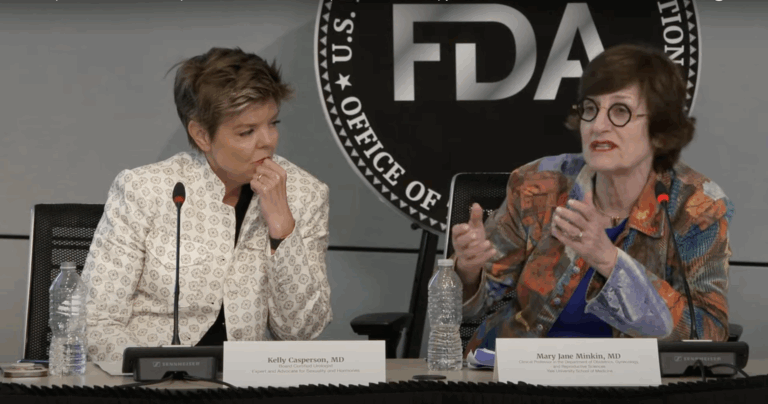
For decades, menopause and its symptoms were often dismissed or misunderstood by the medical world. A new wave of advocates and medical leaders is challenging regulatory agencies to update outdated warnings on vaginal estrogen—vital for countless women—pushing it into the national spotlight.
The collective push is driven by lived experiences and highlights the intersection of policy, gender bias, and medical best practices—reshaping standards and breaking taboos around women’s aging and health.
Our Number One Killer: The Sex Gap that Costs Women's Lives
From Yale School of Medicine, by Kira Berman:
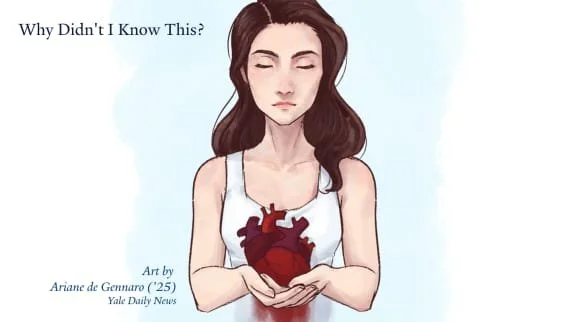
Why didn’t I know, until recently, that cardiovascular disease (CVD) is the number one killer of both women and men in the United States? As the leading cause of death, CVD takes one American life every 33 seconds. Still, most Americans aren’t aware about the extent of the impact of CVD—even though this is far from a new phenomenon! Heart disease has been the leading cause of death in the U.S. since 1921, and yet, over a century later, less than half of the respondents of a 2023 survey could name the nation’s number one killer. Perhaps most shocking is that heart disease causes more deaths in the U.S. than all types of cancer combined!
Women’s heart health remains particularly neglected and understudied. Over 60 million women in the U.S. live with some form of heart disease — that’s almost half of women above the age of 20. But despite the overwhelming need for better care, women remain underdiagnosed and undertreated, leading to worse health outcomes. For many of them, their symptoms don’t fit the traditional understanding of heart disease that was developed primarily through research conducted on men.
Why more must be done to close the women’s health research gap
From the World Economic Forum:
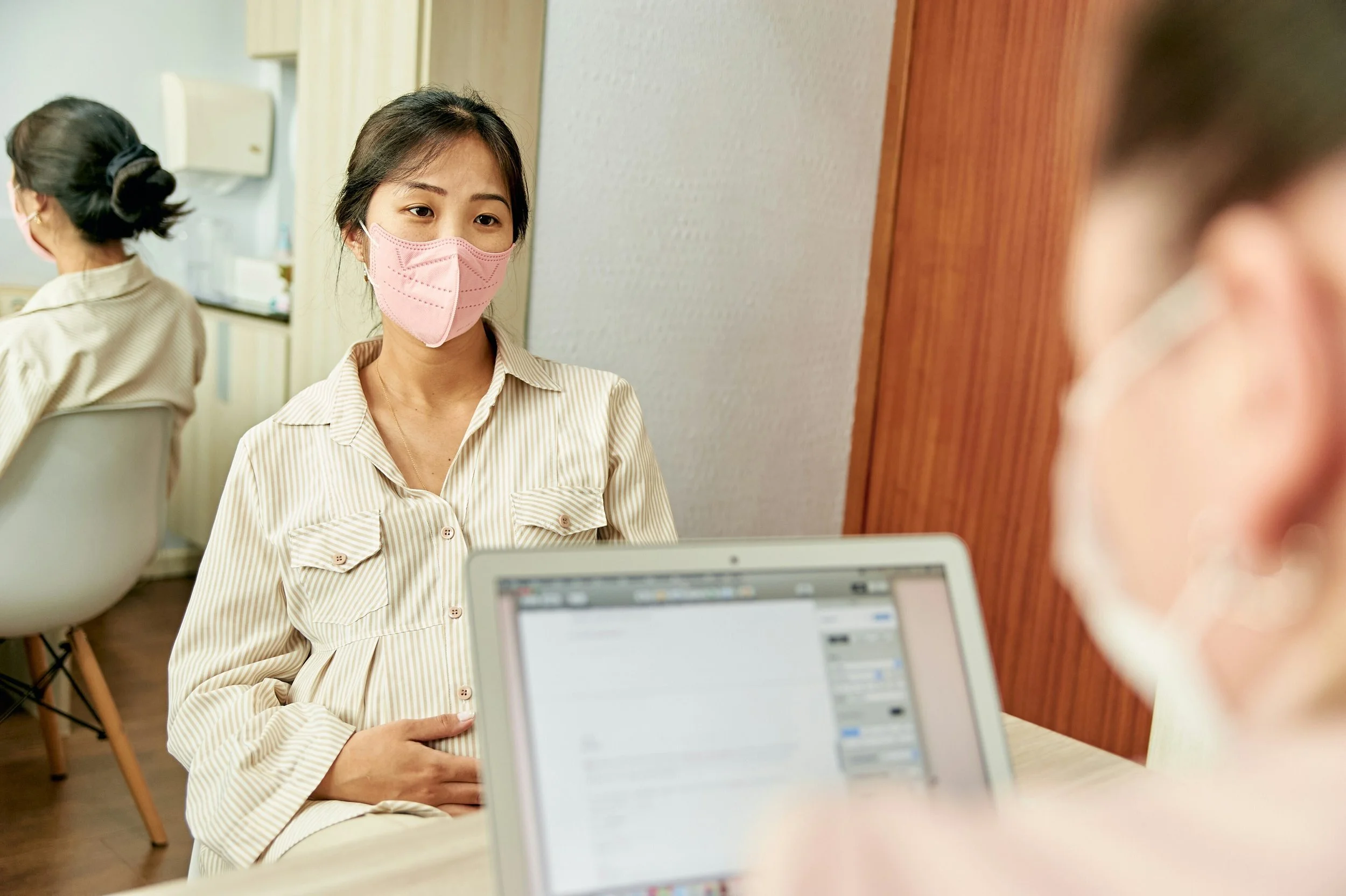
The information that shapes medicine today – and what’s considered effective treatment for conditions affecting women – is predominantly based on male biology. And yet, globally, more women than men receive clinical care.
This is the paradox at the heart of women’s health research: despite higher healthcare usage, women’s unique health needs remain under-researched and under-addressed. This disconnect contributes to a significant physical and social burden that many women face during their lifetimes.
Despite living an average of five years longer than men, women spend 25% more of their lives in poor health or with some degree of disability.
After Decades of Misunderstanding, Menopause is Finally Having Its Moment
From Yale School of Medicine, by Kira Berman:
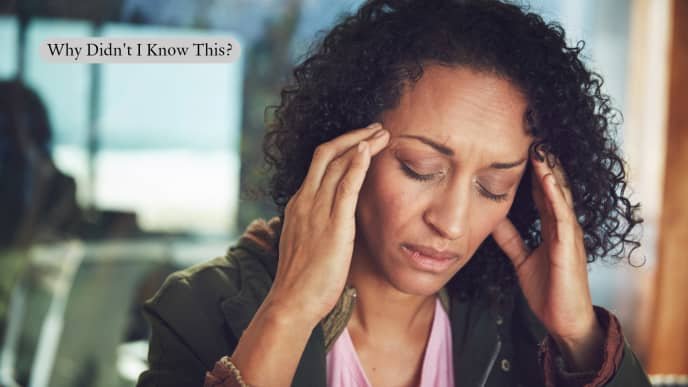
Last spring, actor Halle Berry made headlines when she boldly shouted, “I’m in menopause!” outside the Capitol Building in Washington, D.C., challenging the silence that has long surrounded this inevitable life stage for women.
Her declaration is a part of a broader cultural shift, where women are beginning to push back against the stigma and shame that has historically defined menopause. As these conversations gain momentum, they reveal just how little we understand this phase of life, which begins for approximately 6,000 women each day, or 1.3 million women annually in the U.S. This growing openness signals a long overdue shift in how we approach menopause—one that demands understanding for patients and their health care providers.
Long-lasting misconceptions around menopause linger. A simplistic view of menopause as a sudden, binary change has shaped decades of inadequate care. We don’t expect any of our other organs to shut down overnight as we age; why is it that we’ve come to expect such an abrupt change for our ovaries?

The Women Most Affected by Abortion Bans
From The New York Tmes:
Abortion bans successfully prevented some women from getting abortions in the immediate aftermath of the Supreme Court’s overturning of Roe v. Wade, according to a detailed new study of birth data from 2023. The effects were most pronounced among women in certain groups — Black and Hispanic women, women without a college degree, and women living farthest from a clinic.
Abortion has continued to rise since the period the data covers, especially through pills shipped into states with bans. But the study identifies the groups of women who are most likely to be affected by bans.
Breaking Barriers in Women’s Mental Health
From Psychology Today:
International Women’s Day (IWD), celebrated annually on March 8, is a global observance recognizing women's achievements and advocating for gender equality. While progress has been made in various domains, mental health remains an area where disparities persist. Women face unique psychological challenges due to biological, social, and cultural influences. This post examines key mental health concerns for women, highlights barriers to care, and explores strategies for fostering resilience and well-being.

A new era for women’s health: Uniting global leaders to improve lives and economies in 2025 and beyond
From the World Economic Forum:
Despite women accounting for half of the global population and making many personal and family healthcare and economic decisions, their health is often disregarded as a niche issue. But a global movement is uniting leaders and experts around the socio-economic opportunities of closing the women’s health gap.
The Global Alliance for Women’s Health, hosted by the World Economic Forum and co-chaired by the Gates Foundation and the Ministry of Health of Brazil, was launched a year ago to improve research and innovation, financing and policy advocacy for women’s health.
Mammogram Screening Guidelines Have Never Been More Confusing. Here’s When You Should Get One, According To Doctors
From Women’s Health Magazine:
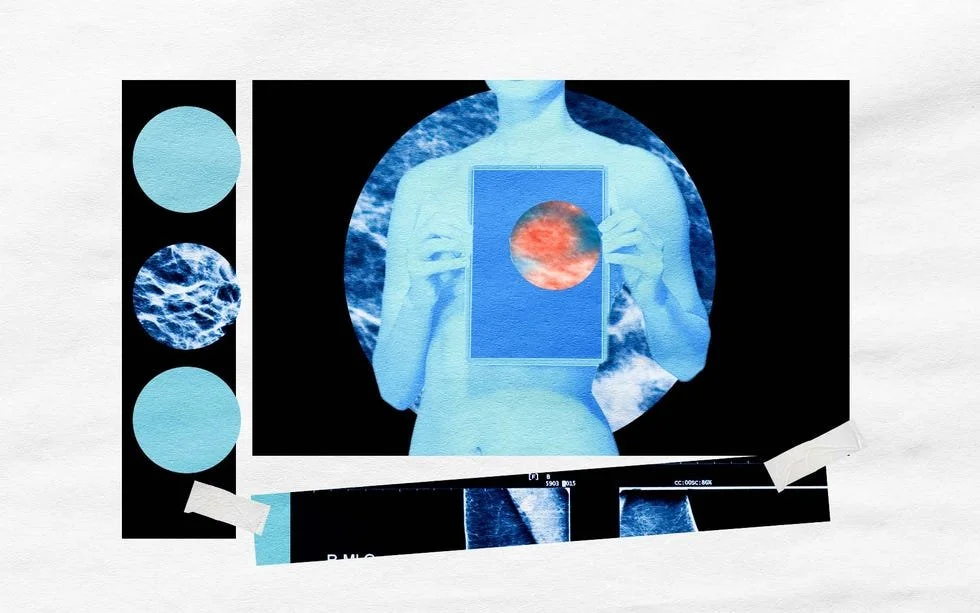
As research continues to show that breast cancer is on the rise in young women, screenings should begin earlier for millennials and Gen Z than they did for previous generations. An October 2024 ACS study found that breast cancer rates increased by about 1 percent every year between 2012 and 2021; in women aged 20 to 49, however, they increased faster—by about 1.4 percent per year during the same period.
So what should a woman do? WH sifted through all the confusing guidelines and asked the experts.

Black women find solutions to end racial health care disparity
From Good Morning America:
Heide Spence, a mother of two, said she does not remember a time in her life since getting her first menstrual cycle at age 10 when she did not suffer from painful period complications.
"I wouldn’t have a period for months at a time and then I would get one and it would look like a crime scene because it was so much blood," Spence, now 40, told " Good Morning America." "I would travel to work with a change of clothes because I would go from home to work 15 minutes away and would have bled through an overnight pad."
Spence, of New Jersey, said she was told by doctors over the years that her symptoms were nothing to worry about, or that one heavy period was just the result of her not having a period the months before.
Being a young, single mom on Medicaid at the time only made things harder, according to Spence.

Why celebrity menopause activism can hinder as well as help women
From The Conversation:
Only a few years ago, the menopause was a taboo subject – not spoken about in private or in public – but now celebrities including Davina McCall and Oprah Winfrey are speaking out about their experiences of going through the menopause.
Celebrity-led campaigns have helped to demystify the menopause and raise awareness of the lack of understanding of women’s health in the media and the medical profession.
Women have a right to evidence-based information, accessible resources and support. Celebrities have the power to influence and share this important message. They have the privilege of a large platform and an audience who pay attention to them.
But there are some drawbacks to celebrity menopause activism – they don’t always get their messaging right. Bearing this in mind, women should take time to consider carefully from where – and from whom – they get medical information and advice.